Quick Answer
BC strata buyers should look for red flags in strata documents before writing an offer—such as pending special levies, low contingency reserve funds, expensive repair projects in the depreciation report, strict bylaws, and insurance or litigation issues. Reviewing minutes, financials, the Form B, and related records can reveal risks that affect your decision, price, and future costs. Always verify the most current information with your real estate advisor and seek professional review when in doubt.
What should buyers look for in strata minutes and Form B?
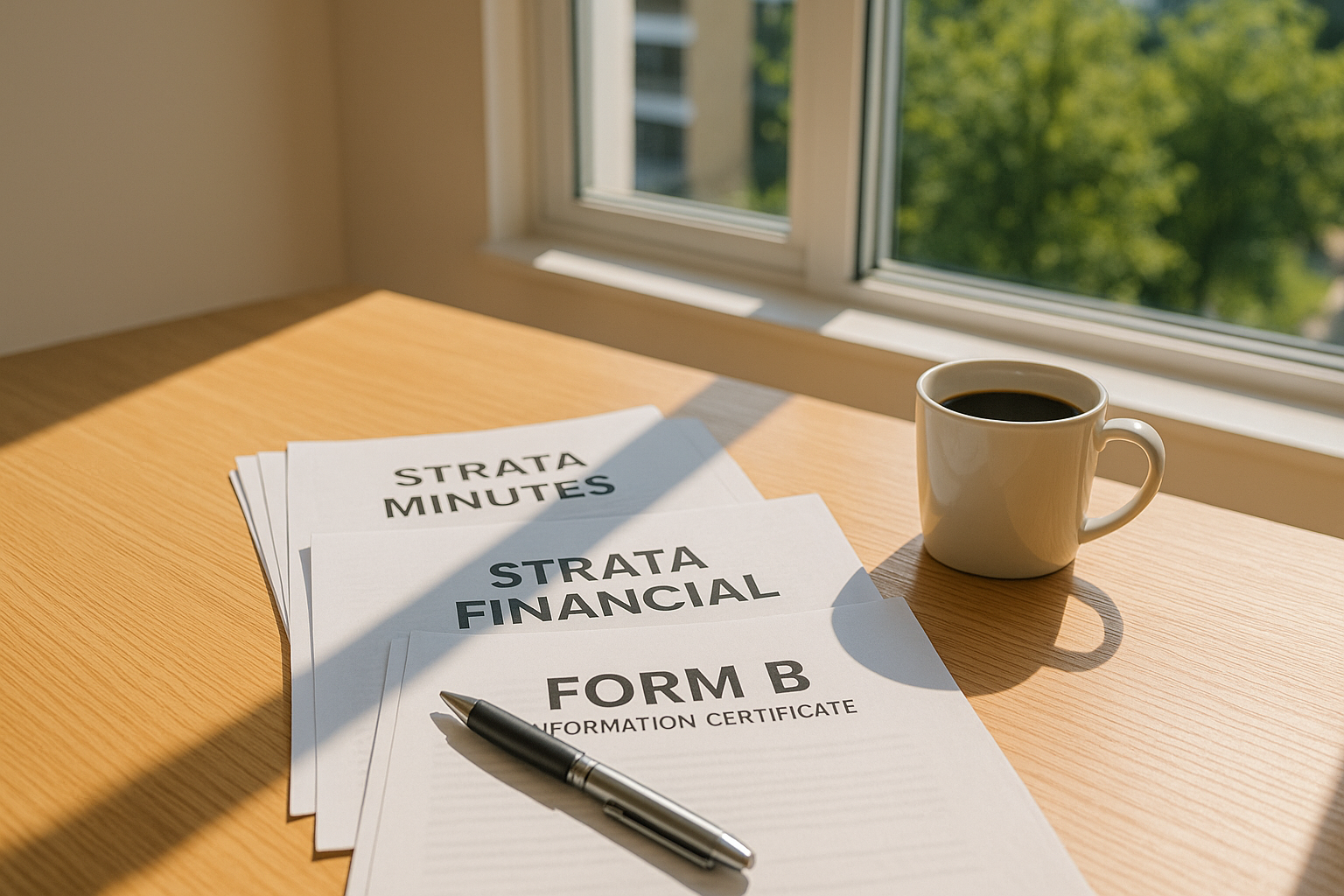
Strata minutes and the Form B give buyers a window into the building’s health and upcoming risks. Focus on recent council meeting minutes (typically 12–24 months) for mentions of upcoming repairs, owner complaints, or budget issues. The Form B confirms the unit’s financial standing (arrears, parking, storage, etc.), outlines upcoming special levies, and discloses the most current insurance coverage and any lawsuits or claims. In highly competitive markets like Vancouver, reviewing these documents early can help you spot warning signs—such as unresolved insurance claims or repeated owner concerns about leaks—before committing to an offer.
How can I tell if a strata’s financials are healthy or risky?
Financial statements and budgets reveal how well a strata is managed and whether future costs might be looming. Look for a well-funded contingency reserve fund (CRF), prudent budgeting, and manageable operating expenses. Red flags include a low CRF (check what's typical for the building’s age and size), significant operating deficits, or notes about underfunded maintenance. If you see repeated references to deferred repairs or past special levies, dig deeper—the next large expense may fall to you. For more on evaluating the CRF, consider the guidance in How to Spot Contingency Reserve Fund Risks in BC Strata Documents—Before You Offer.
Why are depreciation reports and special levies so important?
Depreciation reports and special levies forecast future expenses—and your likely costs as an owner. Depreciation reports assess the building’s components and estimate when repairs or replacements will be needed; if the report is old or missing, ask why and verify the current legal requirement for the strata. Special levies (one-time fees) are charged to owners for major repairs or shortfalls not covered by the reserve fund. Watch for recent or proposed levies in the minutes and the Form B. Large or frequent levies can mean aging infrastructure, poor budgeting, or both—common issues in older Burnaby and Richmond buildings.
What bylaws, rules, and restrictions matter most before I offer?
Bylaws and rules directly affect your use of the property and your long-term enjoyment. Review bylaws for restrictions on rentals, pets, smoking, renovations, and age—all of which vary widely between stratas. Some bylaws are stricter than others, especially in smaller or self-managed Victoria stratas. Make sure you can live with (and in) the rules before you write an offer. For a deeper dive into this, see Decoding Strata Bylaws and Restrictions: How to Vet a BC Condo’s “House Rules” Before You Offer.
How do insurance, litigation, and subject removal shape your risk?
Insurance and litigation details influence both your costs and your peace of mind. Check for high deductibles, recent premium jumps, or exclusions in the building’s insurance summary (on the Form B and insurance certificate). Ongoing court cases, building envelope claims, or unresolved disputes can lead to financial surprises. Use the subject removal period to confirm, with your agent or legal advisor, any ambiguous or troubling findings in the documents. If you want help analyzing these risks quickly, you can try SearchStrata free to automate and summarize key findings from your strata package.
Frequently Asked Questions
What is a contingency reserve fund (CRF) and why does it matter?
A contingency reserve fund is a savings account a strata uses for major repairs and unexpected expenses. A well-funded CRF reduces the likelihood of special levies for owners.
Are all stratas required to have a depreciation report?
Most BC stratas must obtain and renew depreciation reports on a schedule set by regulation, but buyers should confirm with the strata or their agent that the building is compliant and check the report’s age.
Can I request more strata records before writing an offer?
Yes, buyers or their agents can request additional strata documents beyond the standard package, such as more years of minutes or engineering reports, to clarify concerns before offering.
What if the strata’s insurance deductible is unusually high?
A high deductible could mean significant costs for owners if a claim is made. Discuss the implications with your insurance provider or real estate advisor before proceeding.
Why should I review strata documents before making an offer instead of during the subject period?
Reviewing strata documents before offering can help you avoid bidding on risky buildings and prevent unwanted surprises during subject removal, saving you time and money.
Conclusion
No two strata buildings in BC are alike—and neither are their risks. Reading minutes, financials, depreciation reports, and bylaws closely before you offer is one of the most important steps you can take to avoid expensive surprises. When in doubt, consult your realtor or a BC real estate lawyer for document interpretation. If you want a faster, clearer review, SearchStrata can help you identify warning signs and summarize key findings, letting you move ahead with more confidence.