Quick Answer
Your strata’s annual budget is the financial plan for the upcoming year, deciding how much each owner pays in monthly fees and what gets spent on operations, maintenance, and the contingency fund. Understanding it means knowing where your fees go, what’s likely to change, and whether your building will have enough to cover emergencies or big repairs. Reviewing the budget closely can help you anticipate fee increases or special levies and have a voice in how your building is run.
What is the strata’s annual budget and why does it matter?
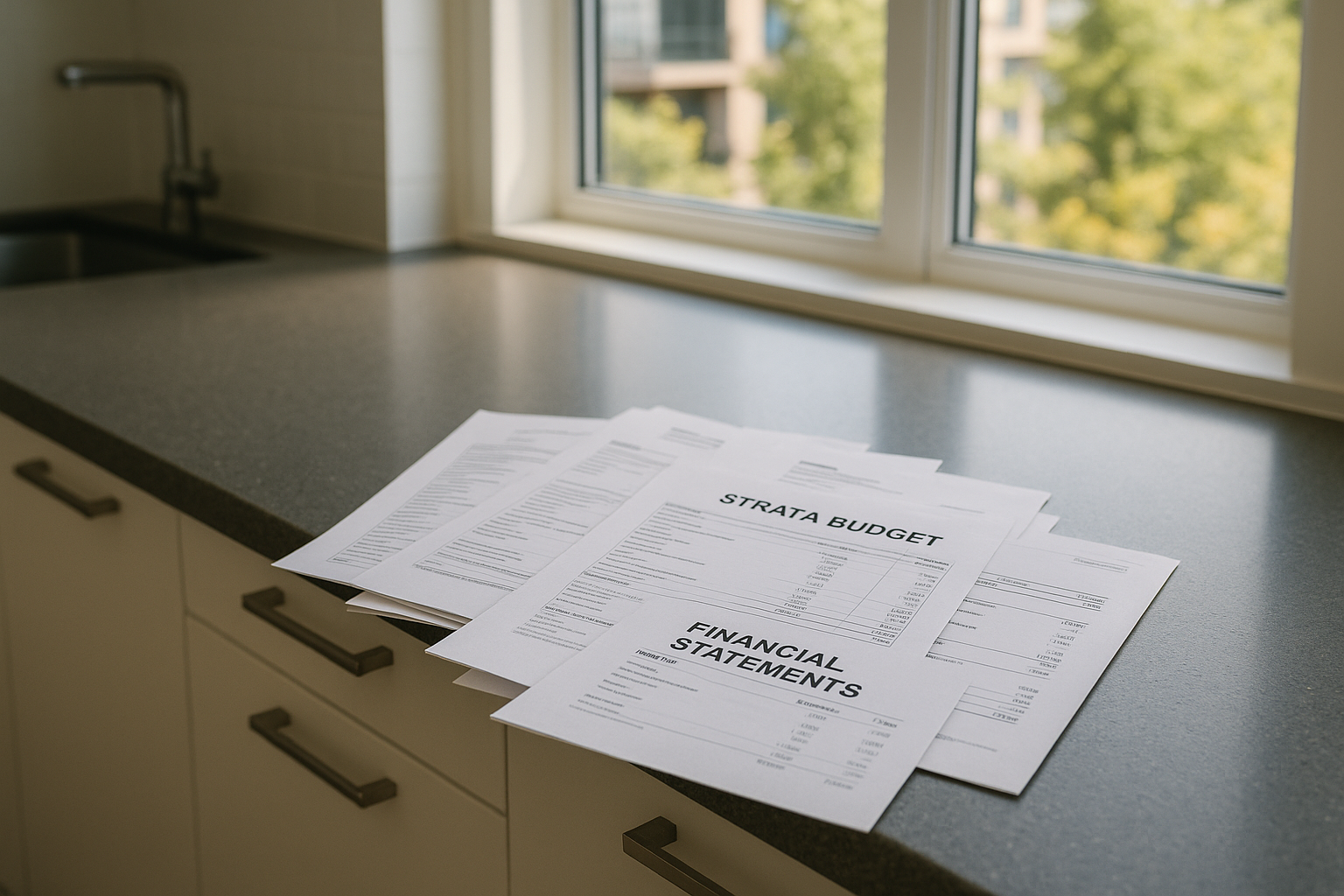
The annual budget is the plan your strata corporation sets for routine expenses and savings over the next year. This document is proposed by council and approved by owners at the AGM.
The budget matters because it directly sets your monthly strata fees and determines whether your building has enough to cover costs or will need special levies. When reviewed carefully, it can reveal if the council is planning to save for upcoming repairs or simply covering the basics.
For strata owners in buildings from Vancouver to Victoria, understanding the budget helps you see if your building is financially healthy or at risk for sudden fee hikes. Every owner has the right to question the proposed budget each year, and to vote on it unless that vote has been assigned to a tenant or, on money and insurance matters like this, claimed by a mortgagee.
How is your strata budget structured?
Strata budgets are usually broken down into two main categories: operating expenses and contributions to the contingency reserve fund (CRF). Operating expenses cover regular costs like cleaning, insurance, utilities, and management.
The CRF is your building’s long-term savings account, used for major repairs or unexpected costs. The budget will show how much is allocated to each, and you can compare this year’s proposed numbers to last year’s actuals to spot trends.
Some budgets also include footnotes, details on anticipated repairs, or a line for "special projects," which may hint at upcoming major work. When reading your budget, watch for increases in insurance, utilities, or contractor fees—these are often the biggest drivers of strata fee increases.
How does the budget affect your strata fees?
The annual budget sets the total amount your strata needs to collect from owners to meet its expenses and savings goals. This total is divided among units, usually by unit entitlement.
If operating costs or CRF contributions rise, your monthly fees will likely increase to match. Sometimes, councils try to keep fees flat by making budget cuts or deferring maintenance, which may only delay costs and increase the risk of a special levy later.
If you see a jump in insurance premiums or a sudden increase to the CRF line, ask council for the reason—it may signal larger issues in the building or the broader BC market. Reviewing the budget in detail, alongside your building’s contingency reserve fund health, helps owners advocate for sound financial management.
What questions should owners ask about the proposed budget?
When reviewing the budget before your AGM, you should ask direct questions about large increases, new expense lines, or decreased CRF contributions. Start with:
- Why are certain line items (like insurance or utilities) increasing significantly this year?
- Is the CRF contribution sufficient for upcoming projects identified in the depreciation report?
- Are any maintenance tasks being deferred, and what’s the risk of that?
- Have vendor contracts been reviewed for savings?
If you see "special projects" or "capital projects" listed, ask for details. Owners in Burnaby or Richmond buildings with aging infrastructure should look for long-term repair planning. Attending the AGM prepared with these questions can help you and your neighbours make informed decisions—don’t be afraid to request clarity before voting.
How can you use the budget to spot trouble before it starts?
By comparing the budget’s proposed spending and savings to your strata’s past financial statements, you can catch patterns that signal trouble, like persistent underfunding of the CRF or sharp expense jumps. These may mean special levies are likely in the future.
Look for repeated "bare minimum" CRF contributions or annual deferral of key projects. If the operating budget is always tight, the building could be at higher risk for emergency special levies. Reviewing both the budget and past minutes or depreciation reports gives a fuller picture.
If you’re not sure how to analyze the financials, services like SearchStrata can help you break down your strata package and flag areas of concern—saving time and helping you prepare for AGMs or council meetings.
Frequently Asked Questions
What happens if owners vote down the proposed budget?
If a majority of owners vote down the proposed budget at the AGM, the previous year's budget typically continues until a new one is approved. Council may need to revise and present a new budget for approval.
Can strata councils set any budget they want?
Strata councils propose the budget, but it must be approved by a majority of owners at the AGM. Owners can vote to amend specific budget items before approval.
How are strata fees calculated from the budget?
Strata fees are usually calculated by dividing the total budget by each unit's entitlement (often based on the unit’s size). Each unit's share is set by its unit entitlement as filed for the strata, not by how big the unit actually is.
What if the building’s expenses exceed the budget during the year?
If expenses go over budget, the resulting deficit has to be eliminated during the next fiscal year — usually through higher strata fees or a special levy — rather than by dipping into the CRF. This is why accurate budgeting is important.
Where can owners find the annual budget for their strata?
The annual budget is included with the AGM notice package and is available to owners. Additional copies can be requested from strata management or council under BC records access rules.
Conclusion
Understanding your strata’s annual budget gives you a window into how your building is run and where your fees are truly going. By reading the budget closely, comparing it to past years, and asking informed questions, you can help your building stay on solid financial ground. If you want an easier way to review your strata documents or spot potential financial issues, consider using SearchStrata to analyze your strata package and keep yourself informed.