Quick Answer
BC strata corporations set rules about pets, parking, and renovations through their bylaws and rules, which are unique to each building. For owners, understanding and following these rules matters: they determine what animals are allowed, how parking and storage spaces are assigned, and which renovations need approval. Always consult your strata’s filed bylaws, current rules, and official documents before acting—never rely on word of mouth alone.
How Do Strata Bylaws and Rules Work in Practice?
Strata bylaws and rules govern key aspects of daily life, including pets, parking, and renovations. Bylaws are passed by owners at a general meeting and must be filed in the Land Title Office to take effect, while rules are made by council for common property and need owner ratification at the next annual general meeting to stay in force.
Bylaws can address issues from pet restrictions to renovation approval processes, but enforcement requires following the procedural fairness steps defined in the Strata Property Act. If there’s any confusion, always verify with your strata manager or council which documents are current, especially in a building with a long history.
Knowing where to find your strata’s bylaws and rules—whether in your AGM package, Form B, or by requesting records—is essential for making informed decisions about your home.
What Are Typical Strata Rules About Pets?
Strata corporations can set their own bylaws about pets, including the type, number, or size of animals allowed. Many Vancouver buildings permit cats and dogs but may limit the number or require leashing in common areas.
Notably, a strata can’t restrict guide or service animals as defined by law. While most rental restrictions are now void, pet bylaws are still enforceable if properly passed and filed. Always check the latest version—don’t rely on a neighbour’s memory.
If your strata is considering changing pet rules, remember that only owners at a general meeting can approve bylaw changes, which take effect upon filing.
How Does Parking Really Work in a BC Strata?
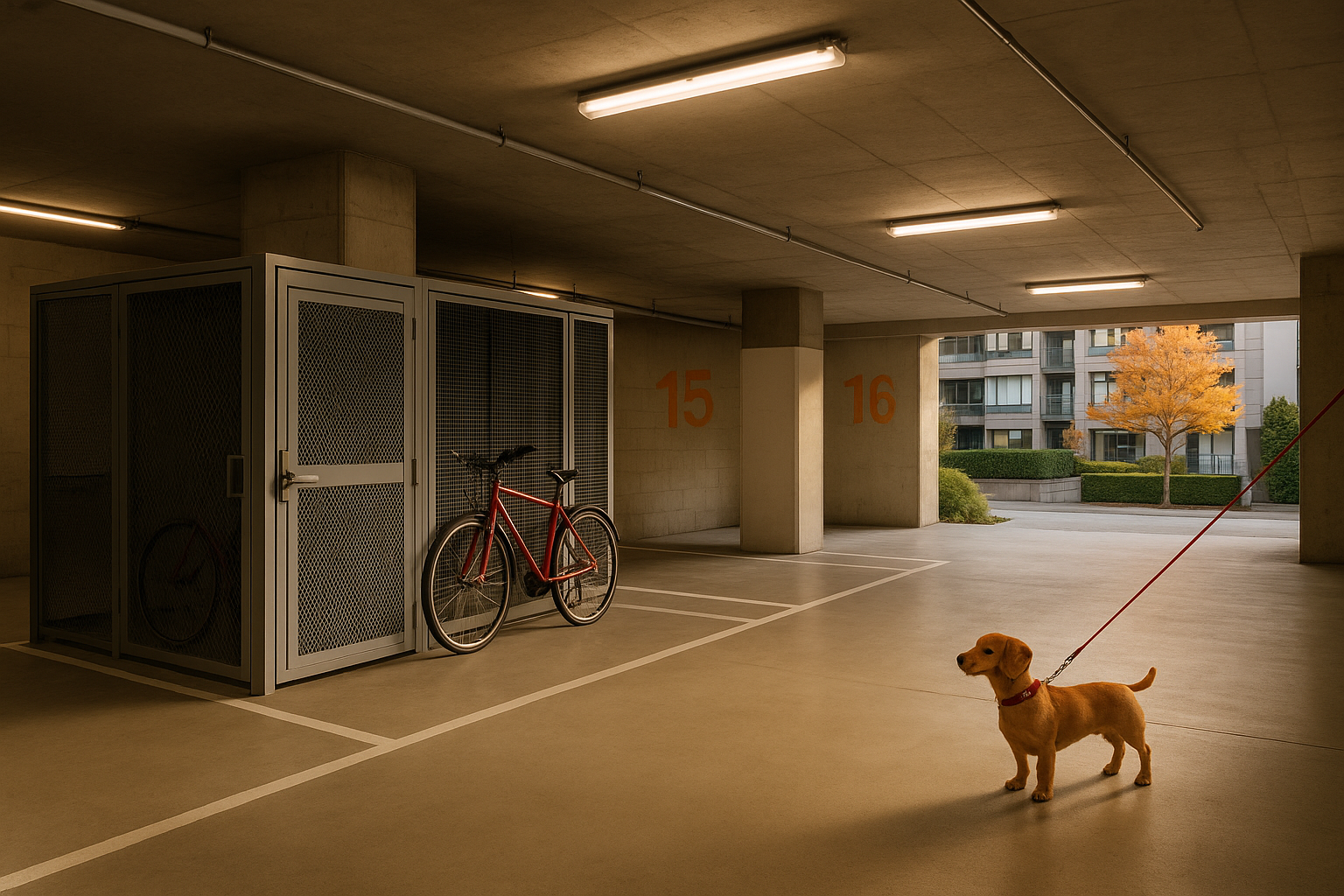
Parking is often a source of confusion because rules depend on the strata plan, the bylaws, and how spaces are designated (common property, limited common property, or assigned by contract). Typically, limited common property stalls are for the exclusive use of certain units but remain under strata control.
Bylaws may set requirements for how spaces are used, whether visitors may park overnight, and procedures for reallocating or swapping spots. Disputes sometimes arise when assignments are informal—always check the official records and strata plan for your building, whether you’re in Surrey, Burnaby, or elsewhere.
Any changes to parking arrangements should go through the proper channels; informal swaps can create headaches if the council or manager isn’t in the loop.
What Should Owners Know About Renovation Approvals?
Most strata bylaws require owners to obtain written approval before altering anything outside the walls of their strata lot (and sometimes even within), especially when changes affect common property or building systems. The approval process, and what counts as an “alteration,” is defined by your strata’s current bylaws and the Strata Property Act.
Expect to provide details about your planned work, insurance coverage, and sometimes contractor credentials. Unauthorized renovations can trigger fines or a demand to restore the unit to its original state if due process isn’t followed.
For more detail on navigating permits and approvals, see the post on Renovating in a BC Strata: What Owners Need to Know About Bylaws, Approvals, and Pitfalls.
How to Stay on Top of Rule Changes and Protect Yourself
Stay engaged with council communications, AGM/SGM packages, and meeting minutes to catch updates to bylaws or rules that affect your living situation. New or amended bylaws must be filed at the Land Title Office and disclosed to owners—if you’re unsure, request a copy from your strata or strata manager.
Knowing your rights and responsibilities under the current rules can help you avoid disputes, fines, and misunderstandings. Using tools like SearchStrata or requesting records directly ensures you’re seeing the full picture—not just what’s been informally circulated.
If disagreements arise, consider reviewing How to Resolve Disputes with Your Strata Council: A BC Owner’s Guide for practical next steps.
Frequently Asked Questions
Can my BC strata ban all pets?
A strata corporation can set pet restrictions in its bylaws, but these must be properly passed and filed to be enforceable. Service animals cannot be prohibited.
How do I find my strata’s current bylaws and rules?
The owner of a strata lot, or a person authorized in writing by the owner, can request the filed bylaws and any rules from the strata corporation by following the process set out in the Strata Property Act. In practice, owners often request these through their strata manager or council.
Can I renovate my condo unit without strata approval?
Most strata bylaws require written approval for renovations that affect common property or certain building systems. Check your specific bylaws before starting any work.
Are parking stall assignments permanent in BC stratas?
Not always. Parking assignments depend on whether stalls are common property, limited common property, or assigned by contract. Check your strata plan and bylaws for details.
What if there’s a conflict about pets, parking, or renovations in my strata?
Disputes can often be resolved by reviewing the bylaws and communicating with council. If issues persist, resolution may involve the Civil Resolution Tribunal or legal advice.
Conclusion
Understanding your strata’s rules on pets, parking, and renovations will help you avoid costly mistakes and live more comfortably in your building. Take time to read the filed bylaws, check council updates, and request official documents if you’re ever unsure what applies. If you want to check the latest rules or track bylaw changes in your building, using a tool like SearchStrata can make the process much faster and clearer.