Quick Answer
A strata council’s documents—minutes, budgets, financials, depreciation reports, Form B—reveal not just decisions but the direction, risks, and realities shaping the building’s future. For council members, reading these files closely shows what’s been prioritized, what’s been deferred, and which choices will need owner buy-in at the next AGM or SGM. Reviewing the paper trail—especially around Thanksgiving, when council often reflects on the year—gives practical insight into a strata’s health and next steps.
Why Council’s Documents Matter More Than You Think
Council paperwork is the backbone of strata governance, recording not just what happened but why. Minutes capture the logic behind decisions and give owners a transparent record of council’s thinking. Financial statements, annual budgets, and Form B show the financial trajectory—where money’s going, what’s being saved, and where the cracks might already be showing.
At Thanksgiving, council members often take stock, preparing for year-end and the next AGM. This makes it the best time to reflect on whether the paper trail represents real stewardship or if some priorities have quietly slipped. In cities like Vancouver or Surrey, where buildings range from new towers to aging walk-ups, these documents are the roadmap for both stability and change.
What Minutes Actually Record (and What’s Missing)
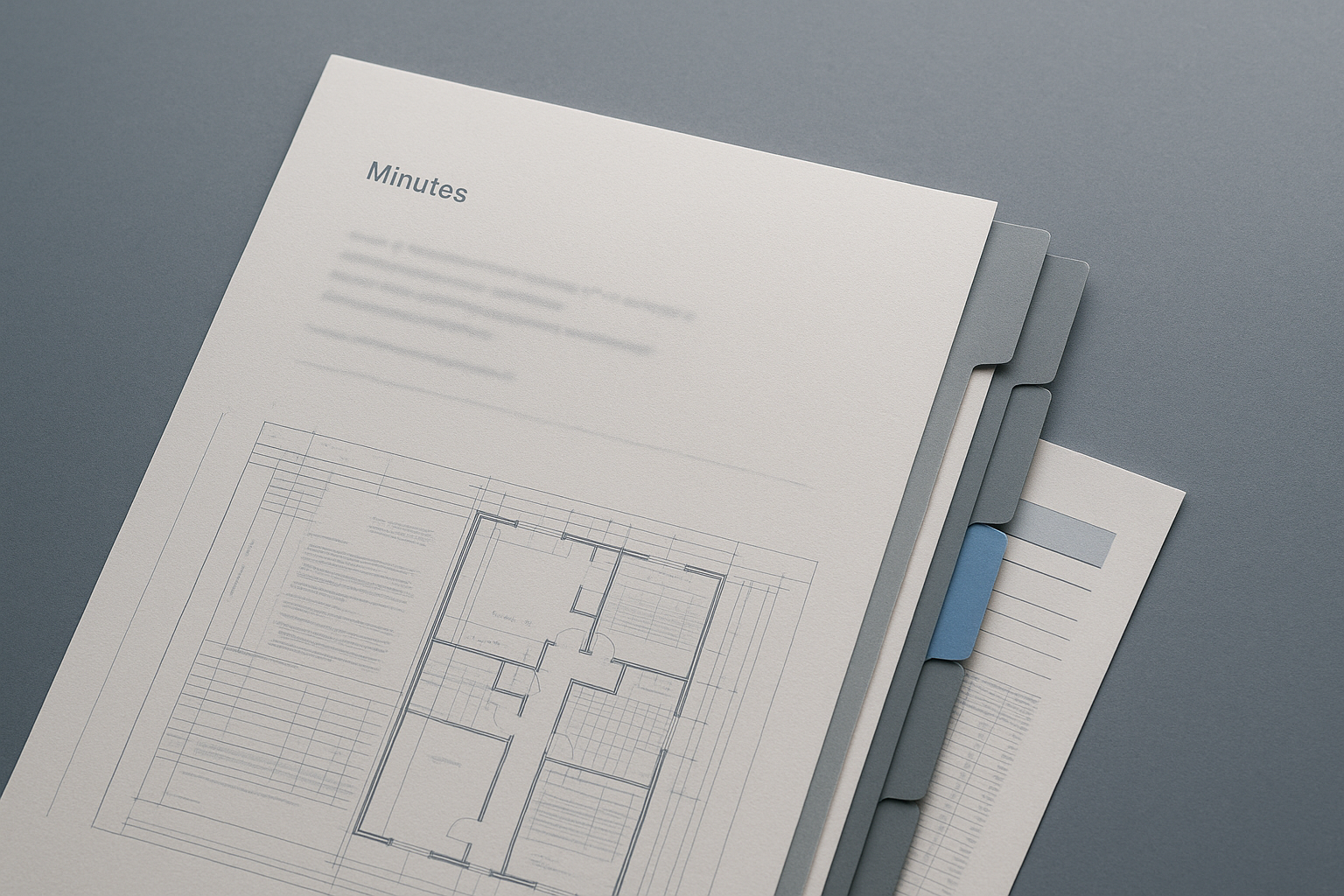
Minutes are the narrative of your council’s year—summarizing decisions, discussions, and sometimes, the unresolved. They answer: Did we act on the engineer’s recommendations? Were recurring issues (like plumbing leaks or elevator shutdowns) escalated or deferred?
However, minutes are not transcripts. Routine discussions or informal debates often go unrecorded, and sensitive items (like certain legal consultations) may be summarized broadly. This means the minutes show what the council chose to formalize—and what may need more transparency for the owners. Comparing the minutes against the AGM package or Form B can surface gaps and help prepare better documentation next year.
Financial Statements, Budgets, and the CRF Trajectory
Financial statements and annual budgets reveal the strata’s fiscal health and its approach to risk. The operating fund covers recurring expenses, while the contingency reserve fund (CRF) is for less predictable repairs. Patterns matter: Is the strata steadily building its CRF, or are past deficits forcing higher strata fees or special levies?
For council, reading across the numbers—past budgets, current balance sheets, and next year’s proposed budget—shows both the plan and the reality. If the depreciation report calls for big expenditures soon, but the CRF is stagnant, the next year will likely require tough votes. Owners will expect clarity on why money has (or hasn’t) been set aside, especially after reviewing their AGM package.
Depreciation Reports, Engineer’s Schedules, and Owner Communication
Depreciation reports forecast upcoming major repairs and help council plan for the next five years. Under BC law, most stratas (with five or more lots) must now update these reports every five years with a qualified professional. The engineer’s schedule in the report sets out timelines and cost estimates for projects like roof replacement or envelope work.
But these are projections, not promises. Council needs to communicate both the urgency of required work and which items have been postponed or completed. Clear minutes and AGM documents help owners understand the difference between a recommended timeline and what’s actually planned—critical for supporting future levies or CRF contributions. For a deeper take on interpreting these signals, see What BC Strata Documents Reveal in Black and White: Decisions, Deferrals, and Financial Signals.
Form B, Special Levies, Litigation, and Insurance: The Owner’s Lens
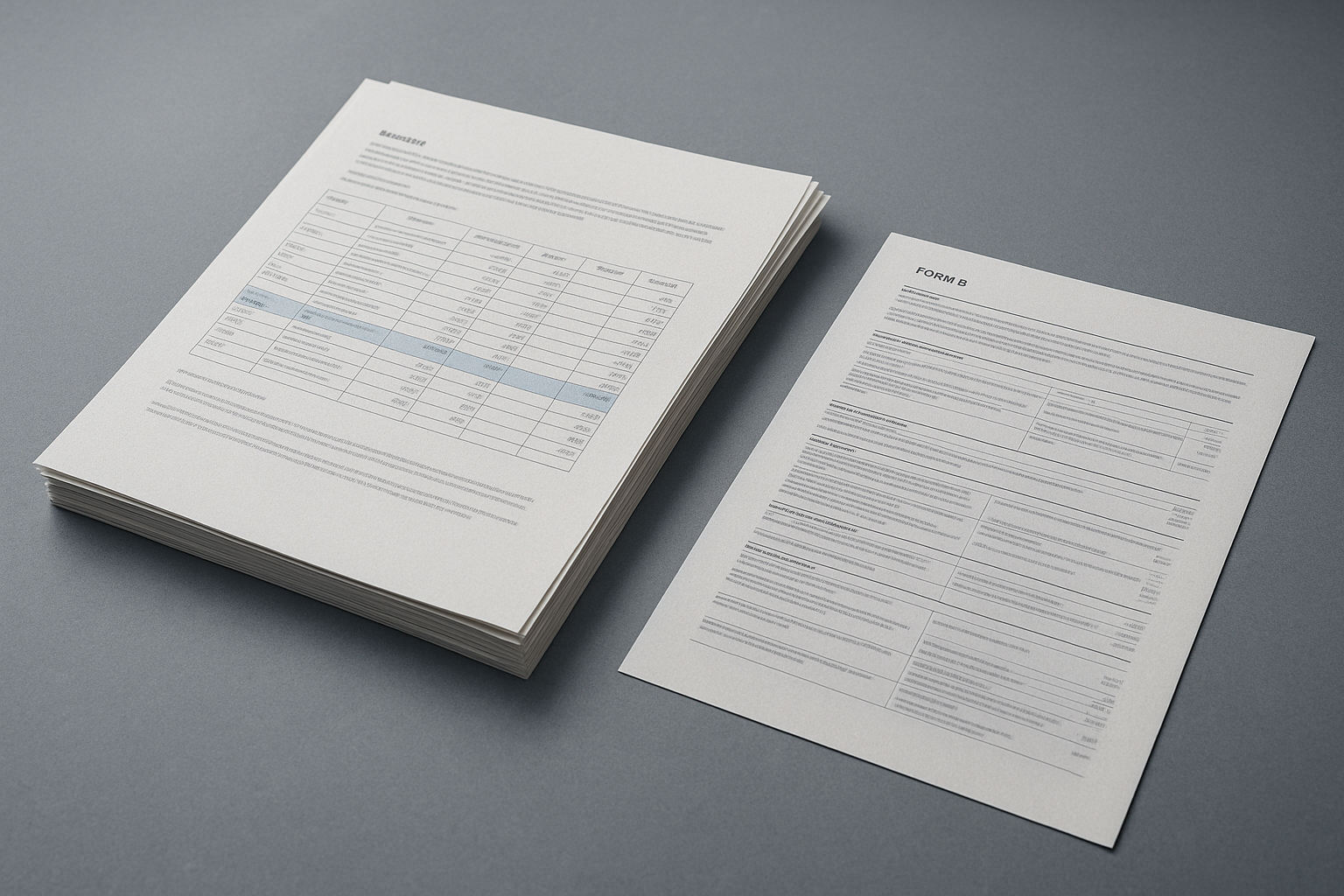
Form B is the official snapshot: it discloses the strata lot's monthly fees, any amounts owing, special levies, the CRF balance, and any claims or lawsuits the strata is aware of. Council is responsible for ensuring this information is current, and it is what both buyers (through the seller or with written authorization) and mortgage lenders scrutinize.
Special levies—funded by a 3/4 vote—signal major projects or emergent costs. Council’s paperwork must show how these were allocated, their impact on the CRF, and if surplus funds were handled correctly. Litigation and insurance sections reveal ongoing disputes or unresolved risks. In Burnaby or Richmond, buildings with active insurance claims or lawsuits will see that reflected here. Owners rely on this paper trail both for peace of mind and as a guide for what’s coming at the next meeting.
Getting (and Keeping) Good Strata Records
BC’s Strata Property Act requires the strata to keep a broad set of records—minutes, financials, bylaws, reports, and correspondence—which must be made available to owners (or persons authorized in writing by an owner) within two weeks (except for Form B, due in one week). Well-organized records are not just legal compliance; they foster owner trust and support council decision-making.
Reviewing your own strata’s documentation with the same care that a buyer would—possibly using a service like SearchStrata to analyze the package—helps catch gaps before they become problems. Clear, accessible records also make future AGMs and SGMs run more smoothly and leave a clear path for future councils.
Frequently Asked Questions
What should strata council minutes include?
Strata council minutes should record decisions made, resolutions passed, and a summary of discussions. They do not have to be verbatim transcripts, but should accurately reflect all formal actions and provide a clear record for owners.
How often must a BC strata update its depreciation report?
BC law requires stratas of five or more lots to update their depreciation report every five years, prepared by a qualified professional. Owners should confirm their own strata’s deadline, as these are phased by region.
What does the Form B Information Certificate disclose?
Form B discloses the strata lot's monthly fees, amounts owing, special levies, the CRF balance, parking and storage, bylaw amendments not yet filed, and known claims or lawsuits. Attachments include the rules, current budget, Rental Disclosure Statement, and latest depreciation report.
Who can get strata records in BC?
In BC, strata records are available to owners, persons authorized in writing by an owner, and tenants in limited cases. Prospective buyers do not have a direct right to request these records but typically access them through the seller or their written authorization.
How are special levies approved and recorded?
Special levies require approval by a 3/4 vote at a general meeting. The resolution must state the levy’s purpose, total amount, each lot’s share, and due dates. This is recorded in both the minutes and future financial statements.
Conclusion
Every Thanksgiving, strata council members have a chance to pause and reflect on what their paperwork actually signals—for themselves and for the owners they represent. Minutes, financials, Form B, and depreciation reports aren’t just boxes to tick; they reveal both stewardship and direction, showing what has been prioritized and what still needs attention. Reviewing these documents with care, and closing any gaps before the next AGM, helps build trust and smoother decision-making. For a fast, thorough review, you can always analyze your strata package with SearchStrata.