Quick Answer
In a BC strata, parking stalls, storage lockers, and other areas outside your unit are typically designated as either common property, limited common property, or separate strata lots. You'll need to review your strata plan, bylaws, and rules to confirm what you actually own or have exclusive use of. Always check official documents—many misunderstandings and disputes come from not knowing the difference.
What is Common Property versus Limited Common Property?
Common property refers to areas in your strata building that all owners collectively own and share, like hallways, lobbies, and most exterior spaces. Limited common property is designated for the exclusive use of a specific unit or group of units—think of assigned balconies or parking stalls—but it is still common property, owned by all the owners together as tenants in common. To know which is which, consult the registered strata plan and confirm any designations have not changed through amendments or bylaws.
How are Parking Stalls and Storage Lockers Assigned in BC Stratas?
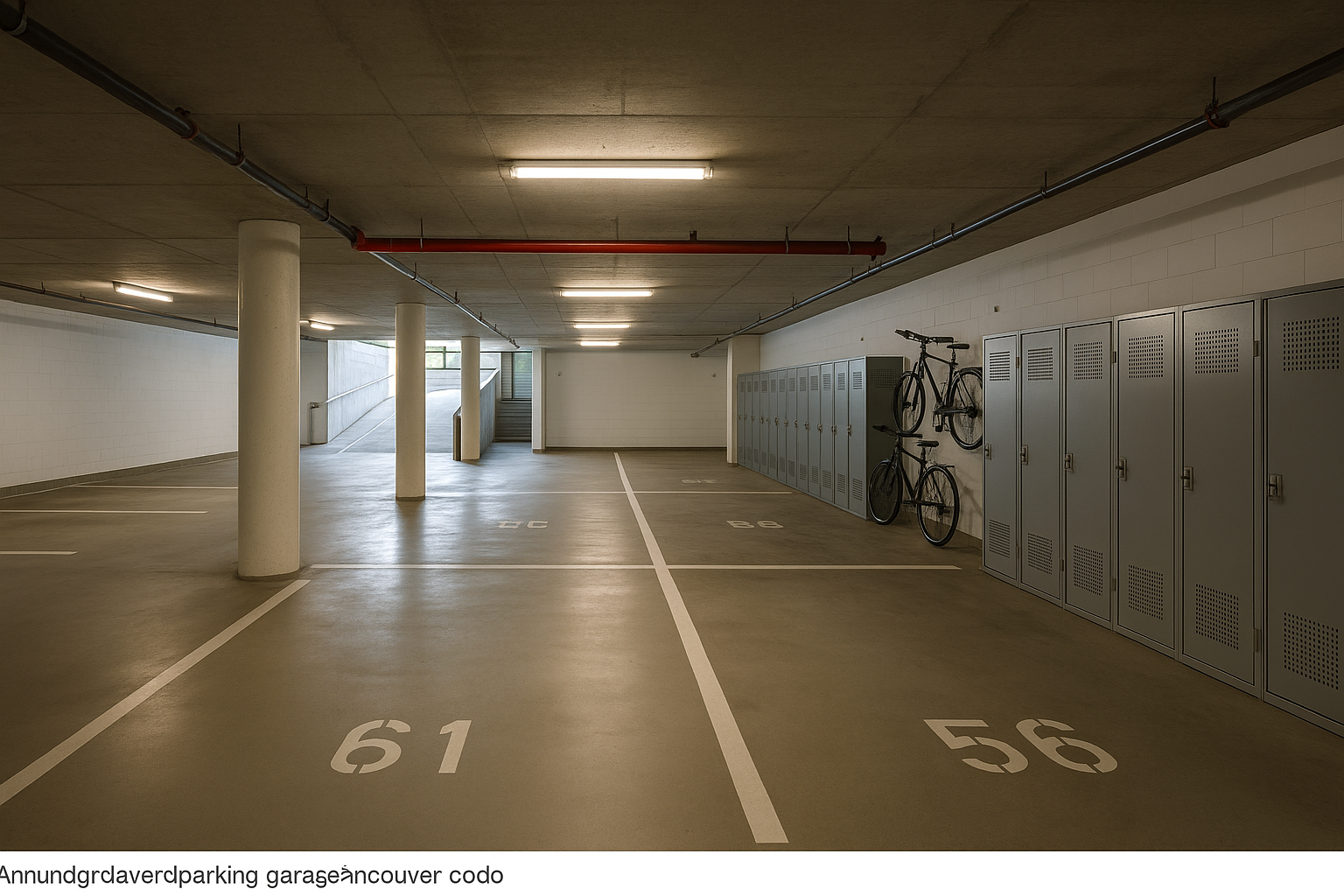
Parking stalls and storage lockers in BC stratas may be: part of your strata lot, limited common property assigned to your unit, or common property allocated by the strata council. The method of assignment—whether it’s fixed on title, assigned by bylaw, or just a rule—determines how secure your rights are. For example, if your stall is limited common property, you usually have exclusive use, but changing or removing that designation takes an owners' vote at a general meeting — unanimous in most cases — not a decision by the council. Always check your Form B and strata plan for certainty.
What Do Strata Bylaws and Rules Say About Using These Spaces?
Strata bylaws and rules set out what you can—and cannot—do with your parking stall, storage locker, or other shared spaces. Generally, you can park a licensed vehicle in your assigned stall, but may not be allowed to store flammable goods, work on cars, or run extension cords. Common rules include prohibiting storing items outside lockers, limiting types of vehicles, or restricting access hours. Fines can apply for bylaw breaches, so always review your current building’s bylaws and rules for details.
What Should You Watch for When Buying, Selling, or Leasing a Parking Stall or Locker?
Confirming ownership or exclusive use is critical—never assume your parking or storage comes with your unit unless it’s on your strata plan or noted on your Form B. Informal arrangements can be revoked unless formalized by bylaw or council resolution. If selling or leasing a stall or locker, ensure the strata permits the arrangement and document it properly. For a broader guide, see How to Understand and Influence Your Strata’s Rules and Bylaws as an Owner.
How Can Owners Advocate for Better Use or Access?
Owners can propose bylaw or rule changes to improve fairness or clarify use of parking, lockers, or other common property. This usually involves submitting a written proposal for the next AGM or SGM. To gain support, talk to neighbours and council about common concerns—such as lack of visitor parking or unclear locker assignments. For a step-by-step approach to preparing and voting at meetings, see How to Prepare for and Vote at Your Strata’s AGM or SGM: A BC Owner’s Step-by-Step Guide.
Frequently Asked Questions
How do I know if my parking stall is actually mine?
To determine if your parking stall is yours, check your strata plan and Form B. If it’s part of your strata lot or designated as limited common property for your unit, you have secure rights; if not, the stall may be reassigned by council.
Can the strata reassign parking or storage lockers?
If stalls or lockers are common property or assigned by rule, the strata council can usually reassign them. If they are limited common property or part of your strata lot, reassignment is more restricted and typically requires owner approval or bylaw change.
Am I allowed to rent out my parking stall to someone else?
Whether you can rent your stall depends on its legal status and your strata’s bylaws. Some stratas only permit rentals to other owners or residents, while others may forbid it outright. Always check the bylaws and consult your council before proceeding.
Who is responsible for repairs in a storage locker or parking stall?
Repairs to common property and limited common property are generally the responsibility of the strata corporation. However, if an owner damages these spaces, the cost may be charged back. Check your bylaws and strata plan for confirmation.
Can the strata fine me for storing items in my parking stall?
Yes, if storing items violates a bylaw or rule (such as blocking access or storing flammable materials), the strata can issue fines after giving you notice and a chance to answer.
Conclusion
Understanding the boundaries between common property, limited common property, and what you truly own is critical to enjoying your Vancouver condo without headaches. Regularly reviewing your strata plan and bylaws will help you avoid unexpected problems or disputes—especially with parking and storage spaces, which are often points of confusion. If analyzing bylaws, plans, or rules feels overwhelming, you can use SearchStrata to help you decode your building’s documents and get peace of mind about what’s yours—and what isn’t.