Quick Answer
Public records in BC—like land title filings, BC Assessment, and municipal data—let you identify a strata building’s construction materials, year built, number of storeys, unit count, strata plan, and management, as well as major remediation history. These sources help buyers and agents screen a building’s risk profile (leaky condo era, rainscreen, wood vs. concrete) or confirm that what’s for sale matches the building’s public identity, all before you pay or wait for strata documents.
How do you identify a strata building in the public record?
You can identify a BC strata building from public records by looking up its civic address and cross-referencing with the strata plan number, legal description, or parcel identifier (PID). Municipal open data and BC Assessment records list major buildings by address, often with unit counts and construction year. Land title records and BC Assessment will show the registered strata plan (e.g., “VAS2345”), which uniquely identifies the strata corporation and ties all units together. This makes it possible to verify you’re looking at the right building before digging deeper.
What does the construction era and material tell you?
A building’s construction era and materials offer early clues about its risk and maintenance history. For example, many wood-frame, multi-unit condos built in the 1980s and 1990s in Vancouver, Burnaby, and Richmond are associated with the “leaky condo” era, where poorly detailed stucco exteriors led to water ingress and major repair costs. Buildings completed after 2000 are much more likely to have rainscreen technology, reducing long-term envelope risk. Concrete towers are typically more resilient to water issues than older wood-frame buildings. This makes era and material key factors for buyers evaluating potential maintenance and insurance risks.
How can you tell how many storeys and homes are in a building?
Storeys and unit count are available from a mix of municipal building records, BC Assessment, and land title filings. BC Assessment often lists the number of units for a strata property, and municipal open data tools can show building height and use. The strata plan itself, referenced in land title and BC Assessment, records the total number of strata lots. Comparing storey count (e.g., “four-storey wood-frame, 60 units”) helps buyers distinguish between mid-rise, high-rise, and townhouse-style strata buildings—a major factor in livability, sound separation, and fees.
How do you find who manages the building and what’s been remediated?
The current strata management company is not always listed in public records, but recent AGM notices, city licensing databases, and some open data sets may show the registered agent or property manager. Major remediations (such as envelope replacement, new roof, or plumbing upgrades) are sometimes flagged in BC Assessment or city permit data. Real estate listings and municipal building permit records can also reveal past work. For a definitive history of remediation or management changes, the strata documents (minutes, Form B, depreciation report) are essential, but public data still gives early indicators—especially for high-risk eras or fully remediated buildings.
How do different record sources describe the same building?
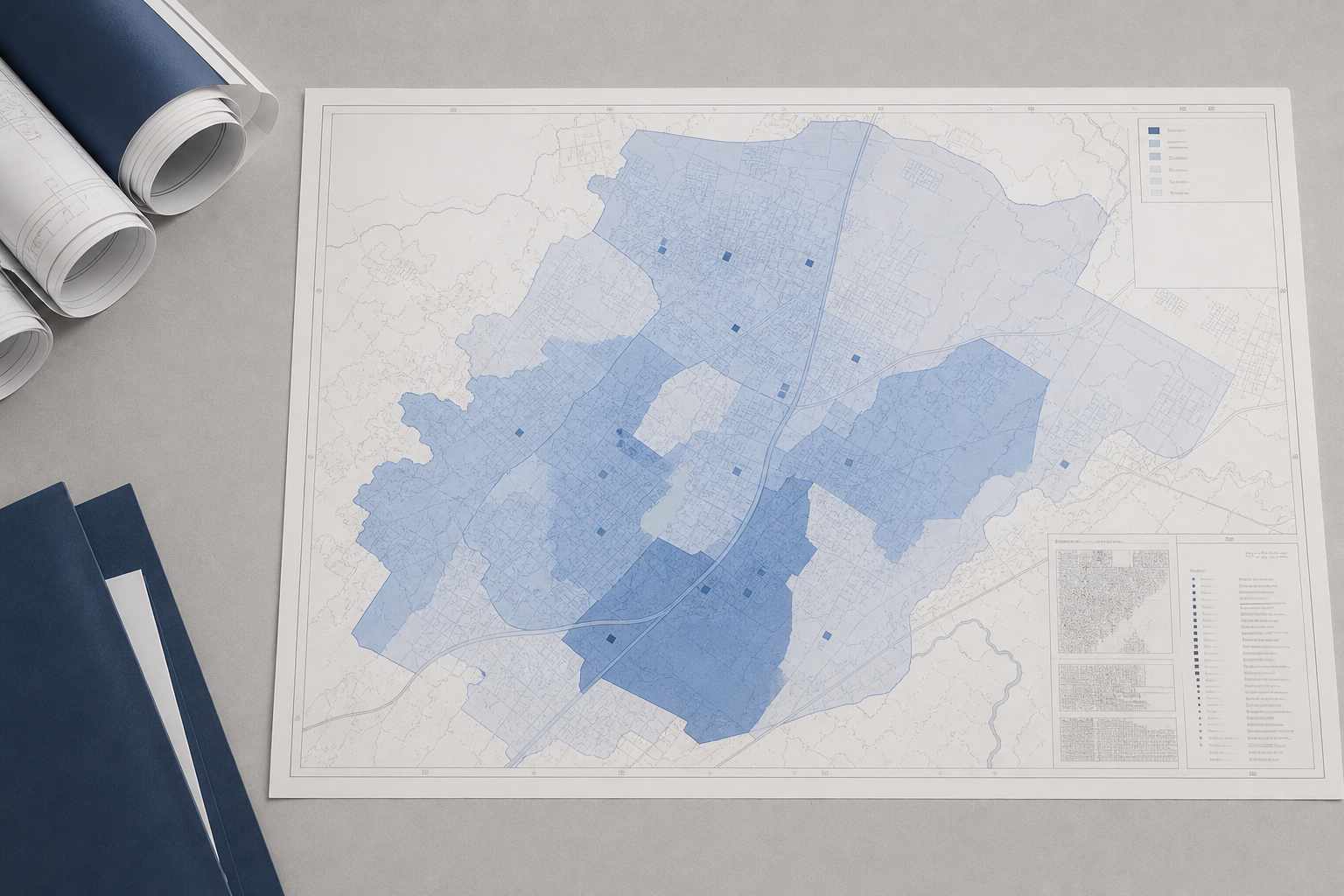
Land title, BC Assessment, strata filings, and municipal records each offer distinct snapshots of a building. Land title records focus on legal details: strata plan, PID, and lot boundaries. BC Assessment emphasizes taxable value, construction year, unit count, and physical structure (wood vs. concrete). Municipal open data may include building permits, occupancy dates, heights, and land use designations. Strata filings (such as the plan itself) are the primary source for confirming legal identity and unit count. Reconciling these sources helps buyers ensure the building matches what’s described in listings and that there are no hidden mismatches or surprises.
Frequently Asked Questions
How can you find the strata plan number for a BC condo building?
The strata plan number can be found through BC Assessment online property records, municipal open data portals, or the land title registry, using the building’s street address or parcel identifier.
What does ‘leaky condo era’ mean in BC real estate?
‘Leaky condo era’ refers to wood-frame condominiums built mainly in the 1980s and 1990s in coastal BC, which proved vulnerable to water ingress due to building code and design issues. Many have since needed costly repairs or envelope replacement.
Where does the unit count and storey number appear in the public record?
Unit count and number of storeys can be found in BC Assessment records, the strata plan, and municipal building data. These details help buyers verify building size and type prior to reviewing strata documents.
Can you see if a building has been remediated from public records alone?
Public records may note major permits or city-required repairs, but for full remediation history, buyers should confirm with strata documents like minutes and depreciation reports.
How do BC Assessment and land title records differ when describing a strata building?
BC Assessment provides data on construction year, unit count, and building materials for taxation, while land title records show legal details like strata plan, PID, and registered ownership structure.
Conclusion
The public record provides a solid foundation for understanding a BC strata building’s physical identity—its age, size, construction type, and key events like remediations—before you ever see the strata documents. Using sources like BC Assessment, municipal data, and land title filings, buyers and their Realtors can screen for risks tied to construction era, confirm the unit count and plan, and spot any early warning signs around remediations or mismatches. For a deeper look at a building’s financial health or meeting history, more detailed strata documents will still be needed, but these public sources offer valuable insight at no cost and no wait.