Quick Answer
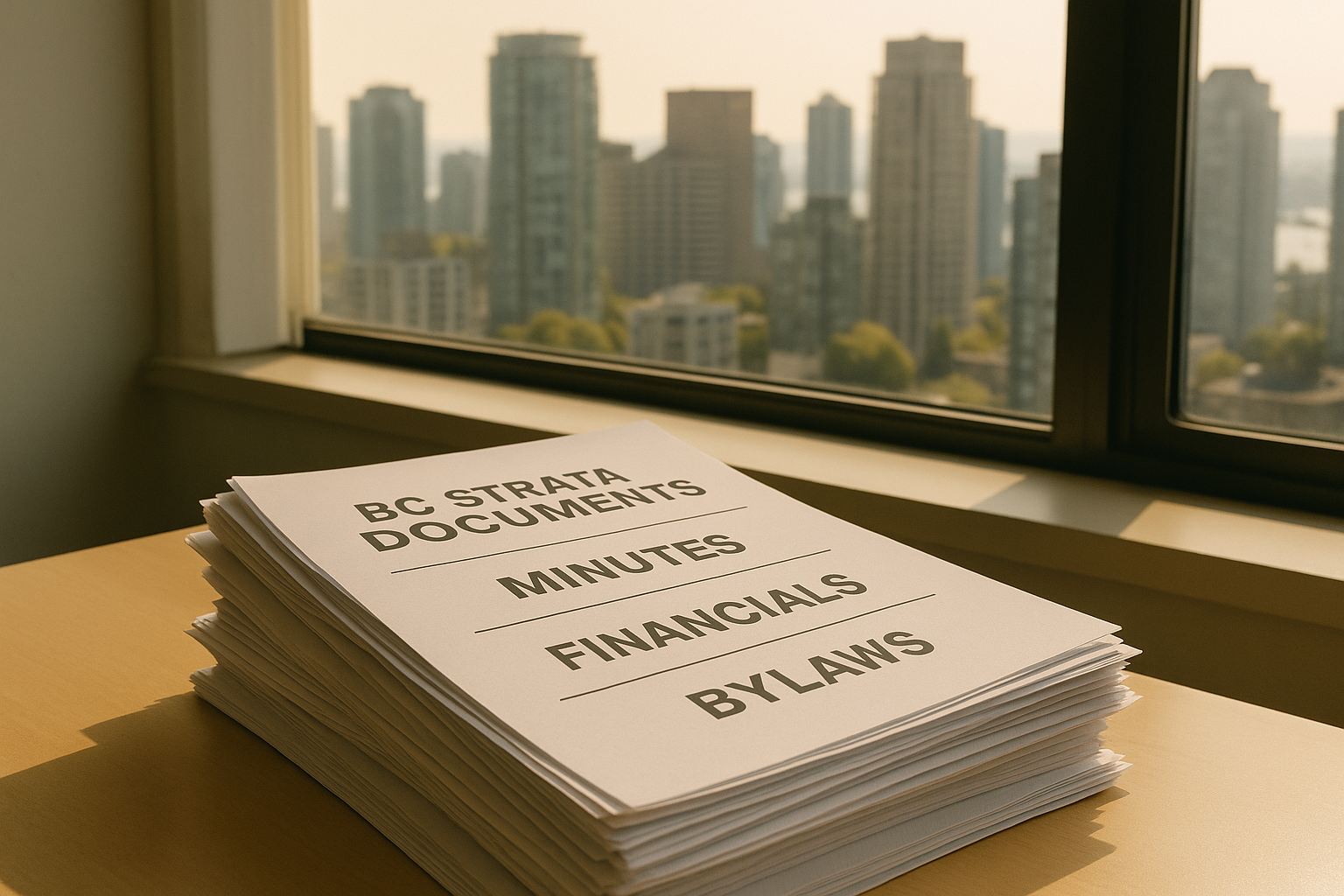
Reading strata documents before you write an offer means looking for more than just surface-level answers—you want to spot risks, patterns, and gaps just like a strata council member would. Focus on the minutes, financials, depreciation report, Form B, bylaws, and any special levies or major projects. This approach arms you with the practical context you need to write a defensible offer—or walk away if the red flags stack up.
Why Read Strata Documents Like a Council Member?
Reading strata documents with a council member’s mindset helps you spot issues that could affect your future costs and peace of mind. Council members live with the building’s problems and see patterns that matter over time.
Unlike a quick scan for fees or rules, a council-level review means looking at how the strata actually handles problems—do they address repairs quickly? Are financial decisions transparent and well-documented? This perspective helps you avoid surprises and buy into a community that truly fits.
Many buyers miss context hidden in the details: chronic repairs, slow insurance claims, or recurring bylaw disputes. Thinking like a council member brings these into focus and protects your investment in a Vancouver or Victoria condo—and beyond.
If you want to see how experienced buyers approach this step, see What an Experienced BC Buyer Looks For in Strata Documents—Before an Offer.
What Matters Most in Minutes and Form B?
Strata minutes are the best source for understanding a building’s ongoing issues, not just what’s disclosed on Form B. Look for patterns: repeated leaks, elevator problems, or engineering reports that keep coming up.
Form B (the Information Certificate) gives you a snapshot: current strata fees, special levies, the CRF balance, insurance, and bylaw amendments. But Form B only covers what’s known and recorded at that moment—minutes fill in the gaps and show what’s really brewing.
Compare forms and meeting minutes for consistency. Are there references in the minutes to legal claims, insurance hikes, or repairs not disclosed on Form B? Bring up any discrepancies with your realtor, and consider whether you need further clarification from the seller or strata manager before proceeding.
Bylaws, Rules, and the Limits of What the Strata Can Enforce
Strata bylaws and rules set the tone for daily life, but only certain restrictions are valid under BC law. For example, rental restriction bylaws (like "no rentals" or capped numbers) are void, while short-term accommodation and age 55+ bylaws may be enforceable.
Buyers should always read the most recently filed bylaws and any rules attached to the Form B. Rules can only govern common property use—not your strata lot directly—and they must not conflict with the Act or the bylaws themselves. Watch for proposed bylaw amendments that have passed but haven’t been filed yet, as these should be disclosed on Form B but aren’t enforceable until registered.
If you’re considering renovations, pets, or running a home business, check the bylaws for relevant restrictions—and ask your realtor to help you verify with a BC lawyer or licensed manager if the language isn’t clear.
Financials, Special Levies, and the Contingency Reserve Fund (CRF)
A healthy CRF and transparent finances are the backbone of a well-run strata. Review the latest financial statements, the annual budget, and recent AGM/SGM packages for context.
A special levy needs a 3/4 vote if each strata lot's share is worked out the usual way, but a unanimous vote if it's divided some other way that's fair for that particular levy, and the Form B should show any that are outstanding. Look for levies tied to building envelope work, elevator replacements, or roof repairs—these signal major projects and future costs. The CRF balance tells you whether the building is saving appropriately for these needs.
If the CRF is low compared to pending projects, owners may face additional levies soon. Since minimum contributions and thresholds change, always confirm the current requirements with the BC government or a strata manager. For more on this financial deep-dive, read How BC Buyers Can Vet a Strata’s Financial Health Before Writing an Offer.
Using the Subject-Removal Window to Fill the Gaps
The subject-removal period is your last chance to resolve questions or back out if something doesn’t add up. This contractual window is negotiated with your offer and gives you time to review the full strata package—including anything you couldn’t get up front.
If you’re still waiting on updated minutes, insurance policies, or clarification about upcoming projects, use this time to request them via the seller and follow up promptly. While buyers don’t have a direct statutory right to records, the seller or someone authorized by the seller must request them from the strata—this is why clear subject wording and timelines matter.
If the documents reveal unexpected risks, you can walk away or renegotiate your offer. Consider using a tool like SearchStrata to analyze large document packages quickly and spot overlooked issues.
Frequently Asked Questions
What documents does a BC strata buyer need to review before making an offer?
A BC strata buyer needs to review strata council and general meeting minutes, Form B, financial statements, the depreciation report, bylaws and rules, insurance certificates, and any record of special levies or ongoing litigation.
Does Form B show everything about a strata’s financial or legal issues?
Form B provides a current financial snapshot and known issues, but it may not include all pending repairs, disputes, or future projects. Review the minutes and accompanying documents for a fuller picture.
Can a buyer request strata documents directly from the strata corporation?
No, a buyer does not have a direct statutory right to request strata documents. The seller or someone authorized by the seller must request them from the strata.
What risks should buyers look for in strata minutes and financials?
Buyers should look for signs of recurring repairs, legal or insurance issues, large or frequent special levies, low CRF balances, and patterns of deferred maintenance in the minutes and financials.
Are all bylaw restrictions enforceable under BC law?
No, BC law voids long-term rental restriction bylaws, but allows for short-term accommodation and age 55+ restrictions, as well as other valid bylaws. Buyers should check the language and verify enforceability as needed.
Conclusion
Reading strata documents before writing an offer is one of the most important steps you can take to protect your investment and future peace of mind. Approach your review with a council member’s eye for detail—look for patterns, gaps, and inconsistencies in the building’s records, finances, and rules. Using technology like SearchStrata can help you review and organize complex document packages efficiently, making it easier to spot risks and make a confident decision before moving forward.