Quick Answer
You can spot early red flags in BC strata documents—like repeated repairs in minutes, low contingency funds, looming special levies, or restrictive bylaws—by reviewing key sections before booking a showing. Catching these issues early helps you avoid costly surprises and focus on the safest properties. Always double-check the latest rules and seek professional advice for complex findings.
Which strata documents matter most before a showing?
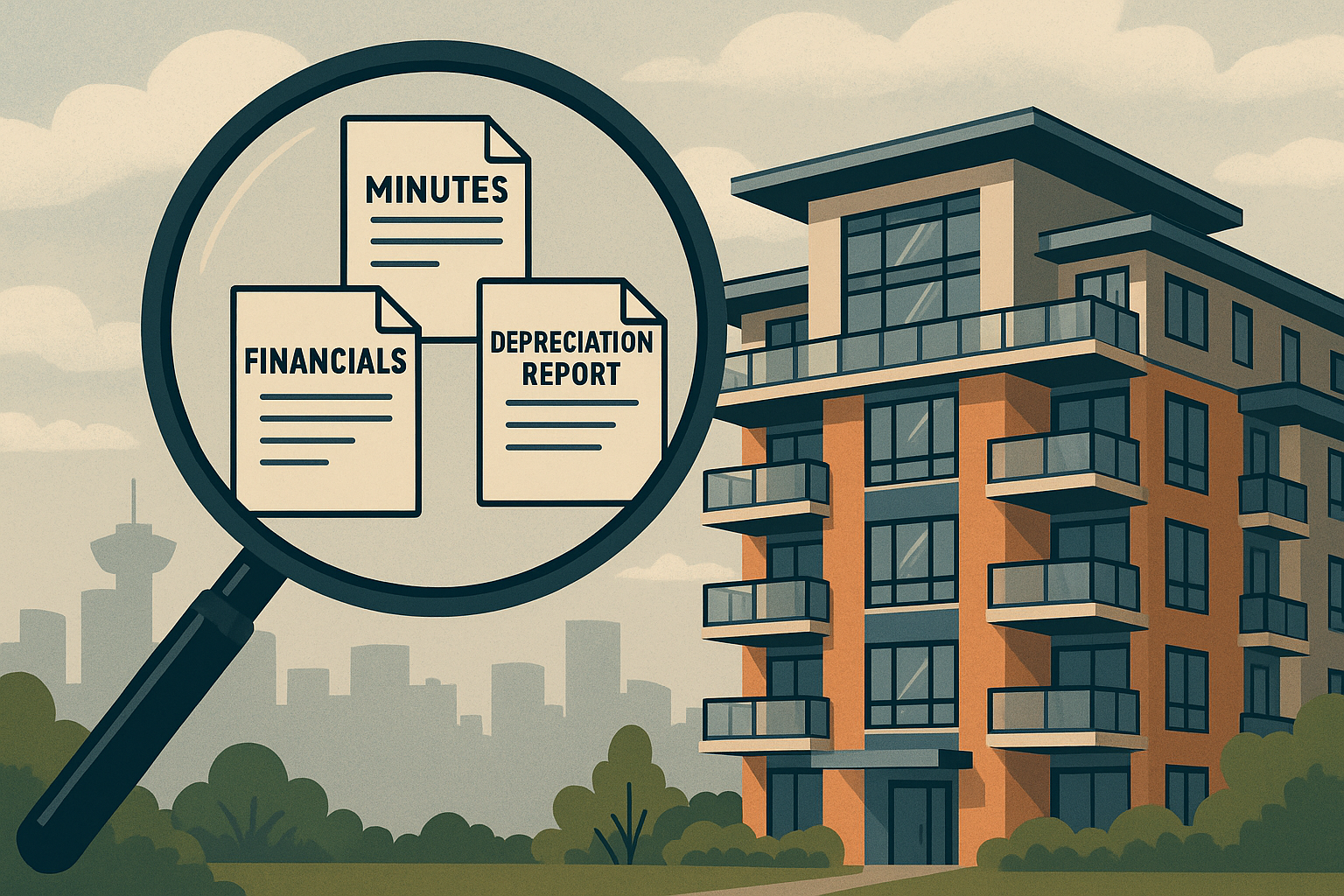
The most important pre-showing strata documents are the last two years of council meeting minutes, current financial statements, the Form B, the latest depreciation report, and a copy of the bylaws. These records reveal ongoing issues, building plans, financial health, and any restrictions on pets or rentals.
Minutes show patterns of repairs or complaints, financials signal whether owners may face a large upcoming levy, and the depreciation report outlines long-term costs. The Form B summarizes key facts about the unit and building. Bylaws are crucial for anyone with a pet, planning to rent, or sharing parking. Ask for all records permitted under Section 35, or check if sample packages are posted online for Vancouver or your target city.
What should buyers look for in meeting minutes and financials?
Buyers should look for repeated mentions of leaks, envelope issues, elevator outages, bylaw enforcement, or pending lawsuits in strata minutes, plus signs of deficit or low reserves in financials. These point to possible future costs or chronic problems.
For example, if you see multiple notes about water ingress in a Burnaby tower, or repeated references to special levies, be cautious. In financials, a low contingency reserve fund (CRF) relative to the number of units, or an operating deficit, means future levies are more likely. Compare these findings with the depreciation report for a full picture.
Why does the depreciation report matter before you offer?
The depreciation report estimates upcoming renewal costs—so buyers can gauge whether a strata is saving enough or has major work coming. It’s not legally required for every building on the same schedule, so confirm if the report is current and comprehensive.
If the report is outdated or missing, ask why and when it’s due, as regulations can change. Look for big-ticket items (roofs, pipes, windows) forecasted within the next decade. Compare these costs to the current reserve fund shown on financials. In Surrey, for example, accelerated timelines for roof or elevator replacement can cause major special levies if cash isn’t reserved.
How do bylaws and Form B spell out dealbreakers?
Bylaws and the Form B summarize restrictions, fees, and litigation that can instantly rule out a property for buyers with pets, rental plans, or parking needs. The Form B must reflect the current situation—verify if a parking stall or locker is exclusive-use or common property.
Bylaws may tightly restrict short-term rentals or even grandfather existing owners but not newcomers. In Richmond, some buildings have pet restrictions that only allow cats, not dogs. Check for smoking bans, age restrictions, and special fees. The Form B also notes any ongoing litigation, insurance issues, or special levies you might inherit.
How should buyers use the subject-removal window for final due diligence?
The subject-removal period gives buyers time to review strata documents in-depth and consult experts, but flagging issues early helps you make smart offers or walk away before spending on inspections or appraisals.
If you spot something unclear in the documents—like pending litigation, large special levies, or confusing insurance deductibles—use the subject period to dig deeper. You might need to request updated records, talk to the property manager, or consult a real estate lawyer or experienced Realtor. For peace of mind, tools like SearchStrata can analyze the documents and highlight hard-to-spot risks.
Frequently Asked Questions
What are common strata red flags for BC buyers?
Common red flags include repeated repair issues in minutes, low contingency reserve funds, high insurance deductibles, upcoming special levies, outdated depreciation reports, and restrictive bylaws on pets or rentals.
Can I review strata documents before submitting an offer?
Yes, you can and should request key strata documents from the listing agent or seller’s Realtor before writing an offer whenever possible, especially in a balanced or slower market.
What does the Form B summarize for buyers?
The Form B summarizes the unit’s financial status, parking and locker assignments, special levies, recent strata fees, and highlights ongoing lawsuits or insurance claims involving the building.
How can I tell if a contingency reserve fund is 'healthy'?
A healthy contingency reserve fund should be sufficient to cover planned repairs and renewals described in the depreciation report, but exact amounts vary. Review the fund balance relative to upcoming projects and verify current best-practice thresholds with a BC strata professional.
Who can help interpret complex strata documents?
A Realtor familiar with local strata practices, a BC real estate lawyer, or a strata-focused document review service can help you spot risk factors and understand what’s typical or concerning for the area.
Conclusion
Spotting issues in strata documents before booking a showing saves BC buyers time and costly surprises. Reviewing minutes, financials, depreciation reports, and bylaws early means you can focus on safe, well-managed buildings—while avoiding properties likely to bring headaches or extra costs. For a faster, more thorough review, use a service like SearchStrata to analyze your strata package and highlight issues that matter most to your situation.