Quick Answer
A living council binder—a centralized, well-maintained collection of essential strata records and reference materials—helps BC strata councils preserve institutional memory, comply with the Strata Property Act, and ensure smooth transitions between council members. By keeping core documents, meeting histories, and key policies organized and current, councils reduce the risk of lost knowledge, duplicated errors, or governance gaps.
Why Institutional Memory Matters for Strata Councils
Institutional memory is the accumulation of knowledge—decisions, precedents, unwritten practices—that lets a council avoid repeated mistakes and maintain consistency year over year. Without it, new council members spend months rediscovering issues or re-litigating settled questions.
This memory gap is common in Vancouver and across BC, where council turnover is high and records are often scattered. Proper documentation helps property managers support council continuity, and lets incoming members understand why past decisions were made, not just what was decided.
Systematic recordkeeping isn’t just a best practice—it’s essential for defensibility if an owner challenge or Civil Resolution Tribunal dispute arises. It also provides context to understand recurring maintenance, contract cycles, and bylaw enforcement patterns.
What Should Be in a Living Council Binder?
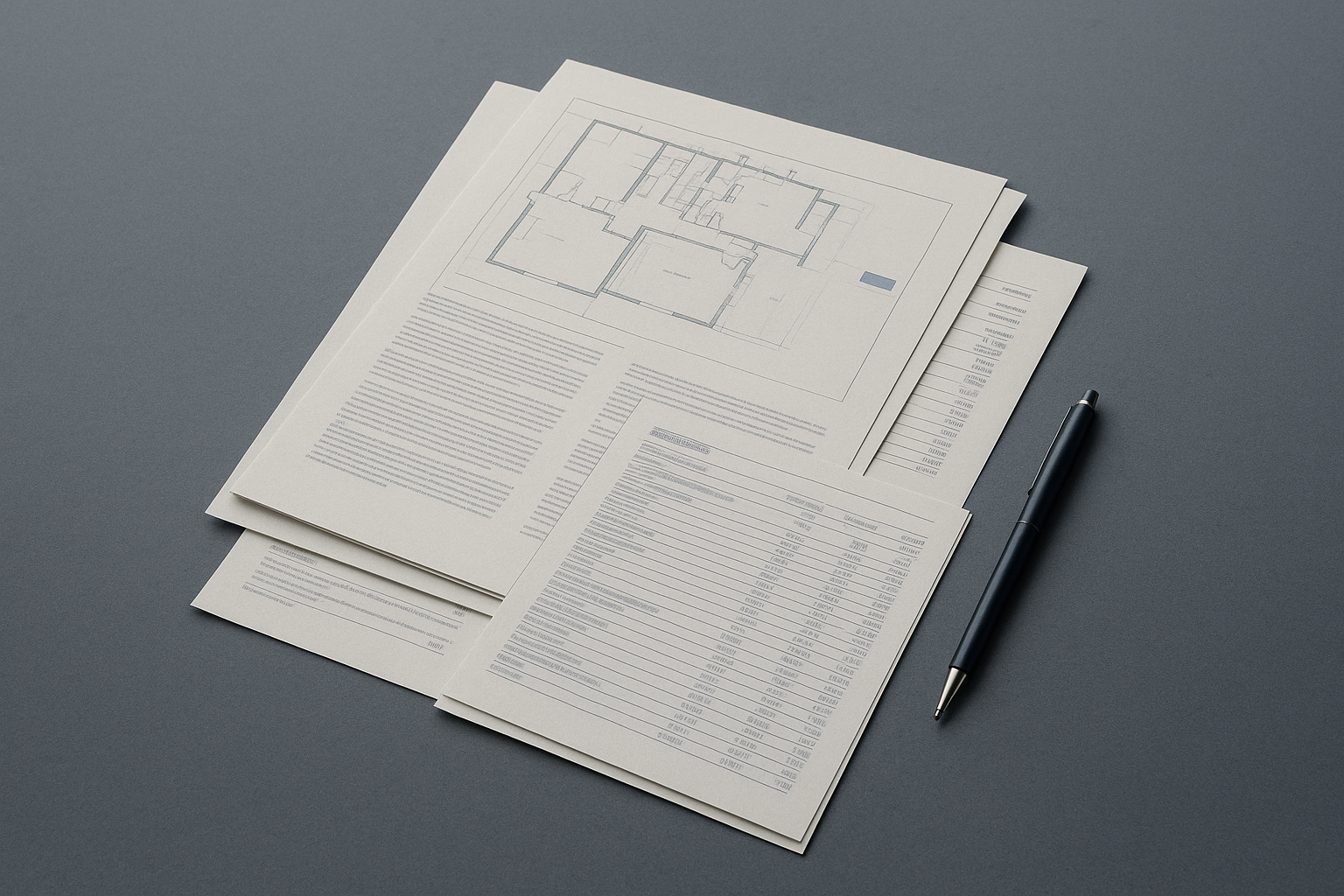
A living council binder should contain both regulatory and practical documents that council members routinely reference. Core contents typically include:
- Recent and legacy council meeting minutes (physical or digital copies)
- Current and previous bylaws and rules, including registered amendments
- Annual budgets, financial statements, and insurance certificates
- Contact lists for council, manager, vendors, and professional advisors
- Maintenance contracts, warranties, and service schedules
- Special project documentation (envelope, elevator, major repairs)
- Key correspondence (notices of complaint, CRT claims, legal opinions)
- Summaries of ongoing issues and deferred agenda items
It’s important to distinguish between what is required under the Strata Property Act (such as minutes and financials under the Section 35 record requirements) and what simply makes the next council’s job much easier.
How Do You Keep the Council Binder Current and Useful?
A council binder stays useful when it’s updated after every meeting and whenever key documents change. Assigning responsibility—typically to the secretary or a dedicated records officer—ensures nothing gets missed.
Use a clear table of contents or index, with tabbed sections or digital folders for easy navigation. For digital records, consider a secure, shared drive with version control and clearly labeled folders. Regularly archive out-of-date materials so the binder remains manageable, but keep required retention periods in mind (verify current Section 35 and PIPA requirements for records retention and owner-access rights).
Every time a new contract is approved or a bylaw is amended, the binder should be updated. Major decisions, even if reflected in the minutes, benefit from a short summary sheet explaining context and rationale for future reference.
How Does a Council Binder Support Transitions and Onboarding?
A council binder is a critical onboarding tool, providing new council members a roadmap to the history and rationale behind past decisions. It smooths the handover between property managers as well.
New council members can review prior minutes, ongoing issues, warranties, and enforcement precedents in one place, dramatically reducing their learning curve. This increases council effectiveness early in the term and reduces the risk of “institutional amnesia.”
A well-organized binder is also a resource for property managers stepping in to support a new council, letting them quickly grasp building-specific nuances that generic management training may overlook. For a broader onboarding plan, see Onboarding New Strata Council Members: A Practical Blueprint for BC Strata Corporations.
How Can Councils Make the Binder Defensible for Tribunal or Audit Scrutiny?
A defensible binder ensures that all records are accurate, complete, and up-to-date, supporting the council if decisions are challenged or audited. It should reflect careful attention to meeting minutes, bylaw enforcement steps, contract approvals, and documented owner communication.
Councils should avoid informal note-keeping or reliance on individual memory—anything critical to how and why a decision was made should be documented in the binder. When responding to owner requests or CRT disputes, this organized record set is the council’s best evidence of process and good faith.
Digital analysis tools like SearchStrata can help councils scan minutes and track key actions, ensuring nothing falls through the cracks and that your records stand up to scrutiny.
Frequently Asked Questions
What is a living council binder in a BC strata context?
A living council binder is an organized collection of essential records, meeting histories, and key reference documents that supports council continuity and defensible governance in a BC strata.
Who should be responsible for maintaining the council binder?
Typically, responsibility falls to the council secretary or a designated records officer, but property managers may also assist in keeping it current and accessible.
How often should the council binder be updated?
It should be updated after every council meeting or whenever key documents and contracts change, to ensure information is always current for council use.
Can a digital binder replace a physical one for strata councils?
Yes, many councils use secure digital systems for records, provided they have robust version control, access management, and meet privacy requirements.
What happens if important records are lost or missing?
Missing records can cause governance gaps, slow new member onboarding, and make defending council decisions more difficult if challenged by owners or in tribunal proceedings.
Conclusion
A living council binder is not just a best practice—it’s a risk management tool that gives BC strata councils stability, continuity, and confidence year after year. By maintaining organized, up-to-date records, you protect your decision-making process and make council transitions smoother and less stressful for everyone involved. Digital organization tools like SearchStrata can help you keep your meeting records and key documents searchable and accessible, so your council is always prepared.