Quick Answer
Succession planning is essential for BC strata councils to maintain good governance, especially as council turnover and holiday absences are common. A robust plan means documenting processes, preserving records, and actively onboarding new members so that knowledge and responsibilities aren't lost. These steps help ensure your strata continues to operate smoothly and defensibly, no matter who sits on council.
Why Succession Planning Matters for Strata Councils
Succession planning keeps your strata council's governance strong, even as members come and go. BC councils often face mid-year resignations, unfilled roles, or changes after AGMs—a problem that can leave gaps in knowledge and process.
Without clear handover practices, key institutional memory can be lost. This sets the stage for mistakes, missed deadlines, or defensibility issues when records are incomplete or decisions undocumented. Well-prepared councils safeguard the strata, its finances, and its reputation.
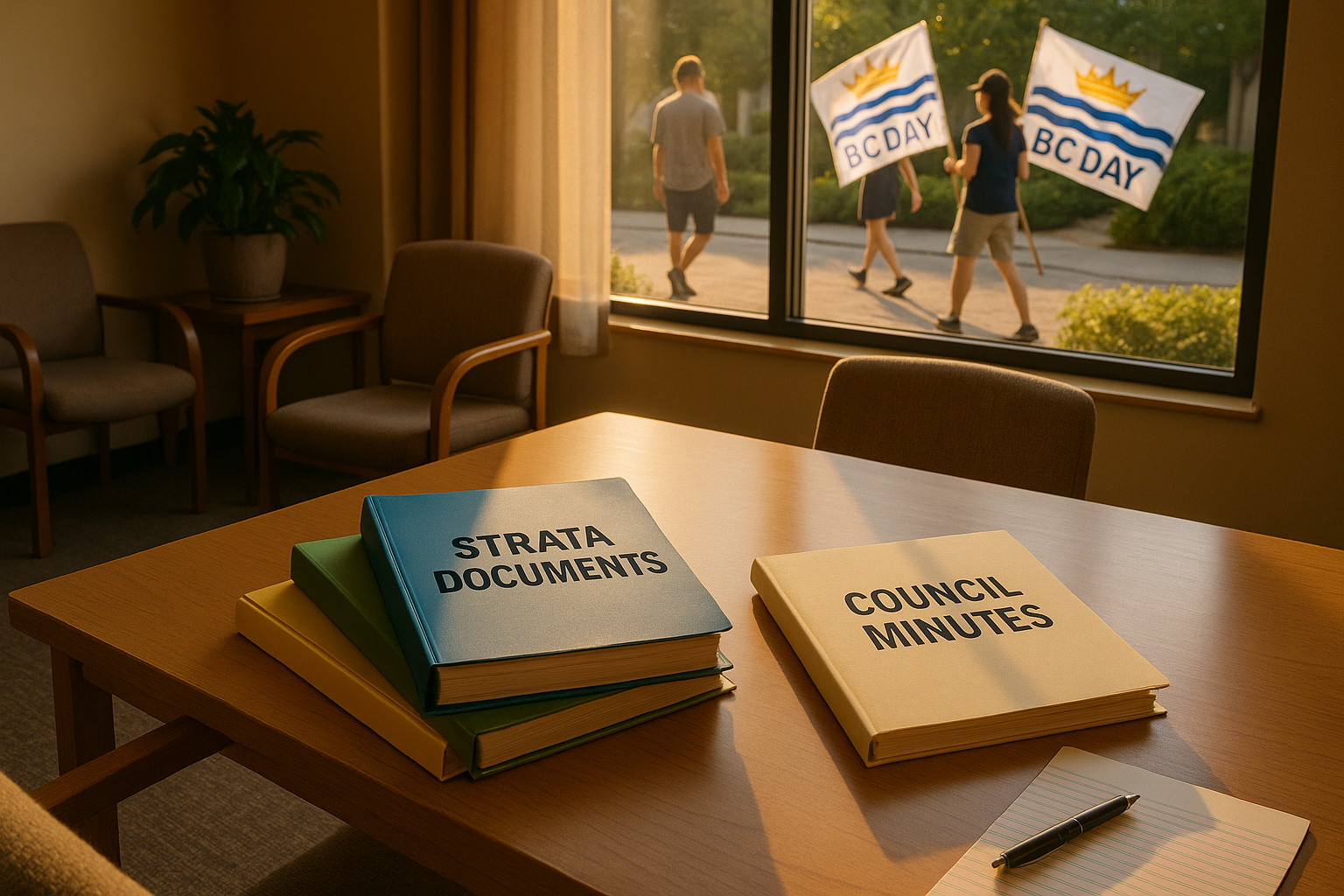
BC Day is a natural moment to reflect: is your council ready for inevitable change, or would a sudden departure put your operations at risk? It's better to prepare in advance than scramble later.
What Does an Effective Strata Council Handover Look Like?
An effective handover involves structured documentation, transition meetings, and clear delegation of responsibilities. New council members need access to current bylaws and rules, recent minutes, active contracts, the latest budget, and any ongoing compliance items.
Smart councils maintain a shared, up-to-date binder—digital or physical—with:
- Meeting agendas and minutes (including resolutions)
- Current financial reports and budget
- Recent correspondence with owners
- Lists of ongoing projects or legal matters
Building a reliable system for passing the baton helps avoid re-learning lessons each time council turns over. See practical approaches in Preserving Your Strata’s Institutional Memory: How to Build and Maintain a Living Council Binder.
How Should You Onboard New Council Members?
Onboarding new council members means more than a quick handshake at the first meeting. Councils should provide a starter package and a walkthrough of key documents, policies, and priorities.
A strong onboarding process covers:
- Recent minutes, bylaws, and rules for context
- The annual budget and any special levies underway
- Upcoming deadlines (elections, meetings, regulatory filings)
- Overview of common council duties and the standard of care
This equips new members to ask informed questions and contribute right away. For step-by-step onboarding, review Onboarding New Strata Council Members: A Practical Blueprint for BC Strata Corporations.
How Can Council and Managers Preserve Institutional Knowledge?
Preserving institutional memory relies on diligent recordkeeping and open communication between outgoing and incoming members. Councils should centralize key records and make them accessible—ideally using cloud storage with clear folder structures and permissions.
Regularly update running lists of vendors, contracts, ongoing disputes, and maintenance schedules. Encourage outgoing members to record advice and unresolved issues for successors. This helps the next team avoid repeating past mistakes and informs defensible decisions.
When reviewing minutes, financials, or correspondence, tools like SearchStrata can help council quickly analyze historical documents and highlight potential risks or open items for the new team.
What Are Common Succession Pitfalls—and How Can You Avoid Them?
The most frequent pitfalls include failing to document decisions, neglecting to update contact lists, and leaving onboarding to the last minute. These lapses can result in lost information, frustrated new members, or mishandled owner requests.
To avoid them, councils should:
- Schedule overlap time between outgoing and incoming members
- Keep turnover checklists and update council contact details
- Document informal decisions and follow up on action items
Finally, make succession a living part of council process, not an afterthought triggered only by resignation or AGM. Regular check-ins help spot gaps before they become problems.
Frequently Asked Questions
What is succession planning for a BC strata council?
Succession planning in a BC strata council means preparing for the turnover of council members by preserving records, documenting decisions, and ensuring new members are effectively onboarded so governance continues smoothly.
How can strata councils make handovers easier for new members?
Councils can make handovers easier by creating up-to-date binders or shared folders with key documents and setting up transition meetings to review important issues and responsibilities.
What kinds of documents should be included in a council handover?
Essential handover items include minutes, bylaws, financial reports, current contracts, ongoing project lists, and any unresolved owner complaints or legal matters.
Why is institutional memory important for strata governance?
Institutional memory ensures that important knowledge and lessons learned aren’t lost between council terms, helping prevent mistakes and maintain defensible governance.
Can digital tools help with strata council succession?
Yes, digital tools can centralize strata documents and streamline searches, making it easier for new members to access history, key decisions, and open issues.
Conclusion
BC Day is a fitting time for strata councils and managers to pause and consider their succession planning. By building reliable handover processes, maintaining strong documentation, and supporting new council members, you help your strata stay resilient and well-governed no matter who joins the table. For a smarter way to analyze and organize your strata’s history—especially during transitions—consider trying SearchStrata free to support your council’s next chapter.