The SearchStrata blog
Your guide to navigating strata document analysis, condo due diligence, and the Canadian real estate market. Learn how to spot red flags, understand financials, and make confident buying decisions.
These articles are general information about BC strata and home-buying, current as of each post's publication date — not legal, financial, or tax advice. Verify current rules and consult a qualified professional before acting.

What Strata Documents Actually Say: The Buyer's Document-Reading Window
Inside a BC buyer's subject-removal window, strata documents reveal decisions, financial direction, and risks—if you know what to look for. Here’s how to read the paperwork itself, from minutes to budgets, reserve funds, and Form B.

What Strata Documents Reveal About Decisions, Deferrals, and Direction — The Buyer's Deep Dive
For BC buyers racing the subject-removal clock, strata documents are the clearest window into how a building manages decisions, delays, levies, and reserve funds. Here’s what the paperwork actually reveals when it matters most.

What Strata Documents Reveal When You're Inside the AGM Package
A practical guide for BC strata owners and council members on what annual general meeting (AGM) packages actually disclose—budgets, CRF, levies, bylaws, and what’s hidden in the minutes.
How to Read a BC Strata’s Paper Trail: What the Documents Actually Say
A focused guide for BC home buyers inside the subject removal window: what strata documents—minutes, Form B, financials, litigation records, and more—truly reveal about a building’s present and future.
How to Vet Strata Financials and Red Flags Before Writing an Offer in BC
Before making an offer on a BC condo or townhouse, a careful review of strata financials, minutes, Form B, and bylaws can reveal hidden risks—like looming special levies or insurance hurdles. Here’s how to spot trouble while you still have time to walk away.

How to Vet Strata Meeting Minutes and Financials Before Offering in BC
For BC home buyers, reading strata minutes and financials before making an offer reveals risks, red flags, and dealbreakers that can’t be found elsewhere. Here’s how to get the right documents, what to look for, and why your pre-offer review matters.
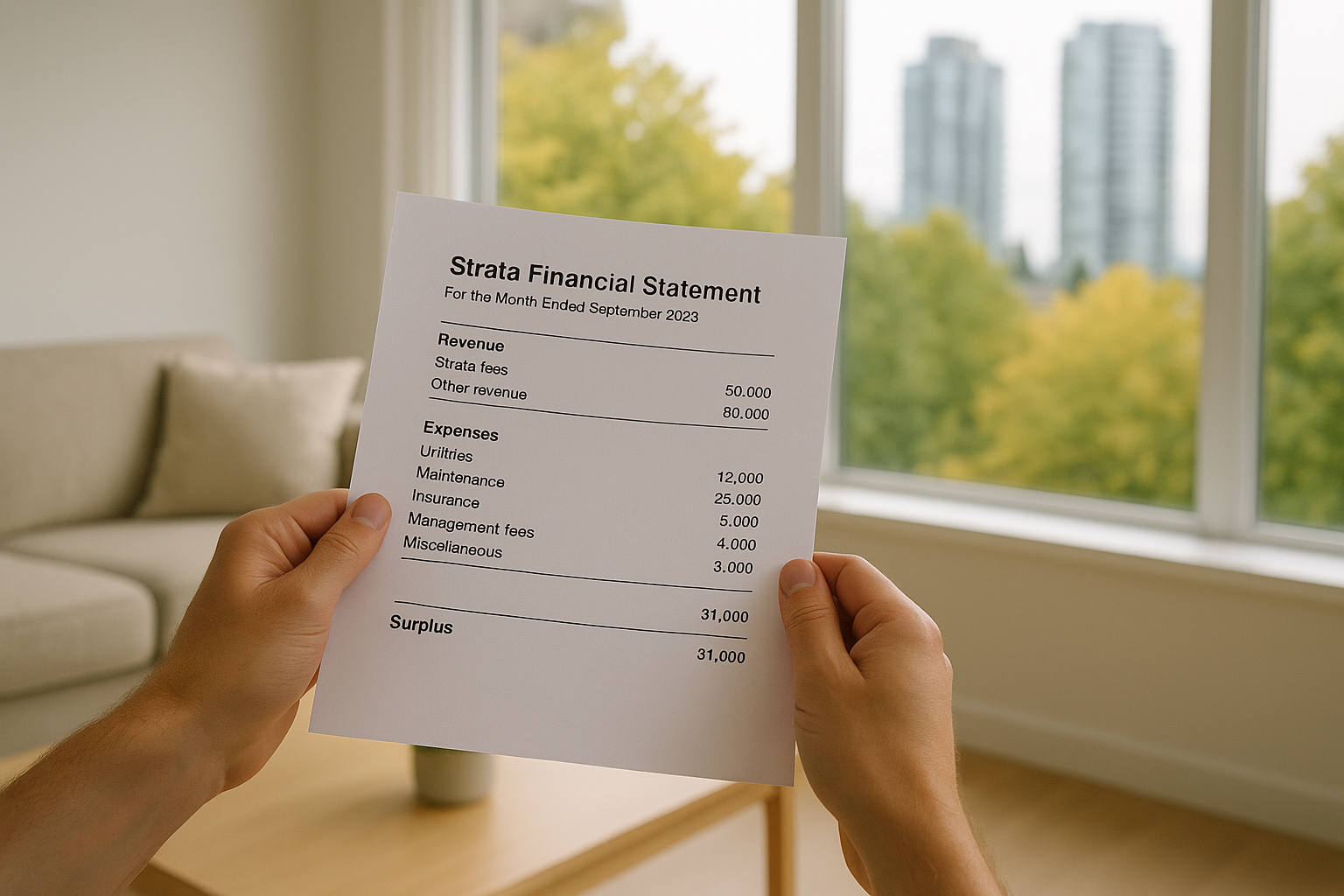
Understanding Your Strata's Contingency Reserve Fund: What BC Owners Need to Know
The Contingency Reserve Fund (CRF) is the financial safety net of any BC strata corporation. This guide explains how to read CRF statements, what healthy balances look like, and why paying attention matters for every strata owner.

How to Vet Strata Bylaws, Restrictions, and Reserve Fund Health Before You Offer in BC
Learn how BC home buyers and their agents can assess strata bylaws, rental/pet rules, and contingency reserve fund health before making an offer. Catch red flags and protect your deposit with effective due diligence.

How to Uncover Strata Risks Before Your BC Offer: A Buyer's Deep Dive Into Pre-Offer Document Review
Before writing an offer on a BC condo, buyers should carefully review strata documents—minutes, financials, Form B, depreciation reports, and bylaws—to spot risks and restrictions. Understanding what to look for can protect you from surprises after subject removal.

How to Vet a BC Strata’s Financial Health Before You Offer: A Buyer’s Practical Guide
Before writing an offer on a BC strata property, carefully assess the building’s financial health. This guide shows buyers and realtors how to read and interpret the key documents—financials, Form B, contingency reserve fund, special levies, and depreciation reports—for informed decision-making.
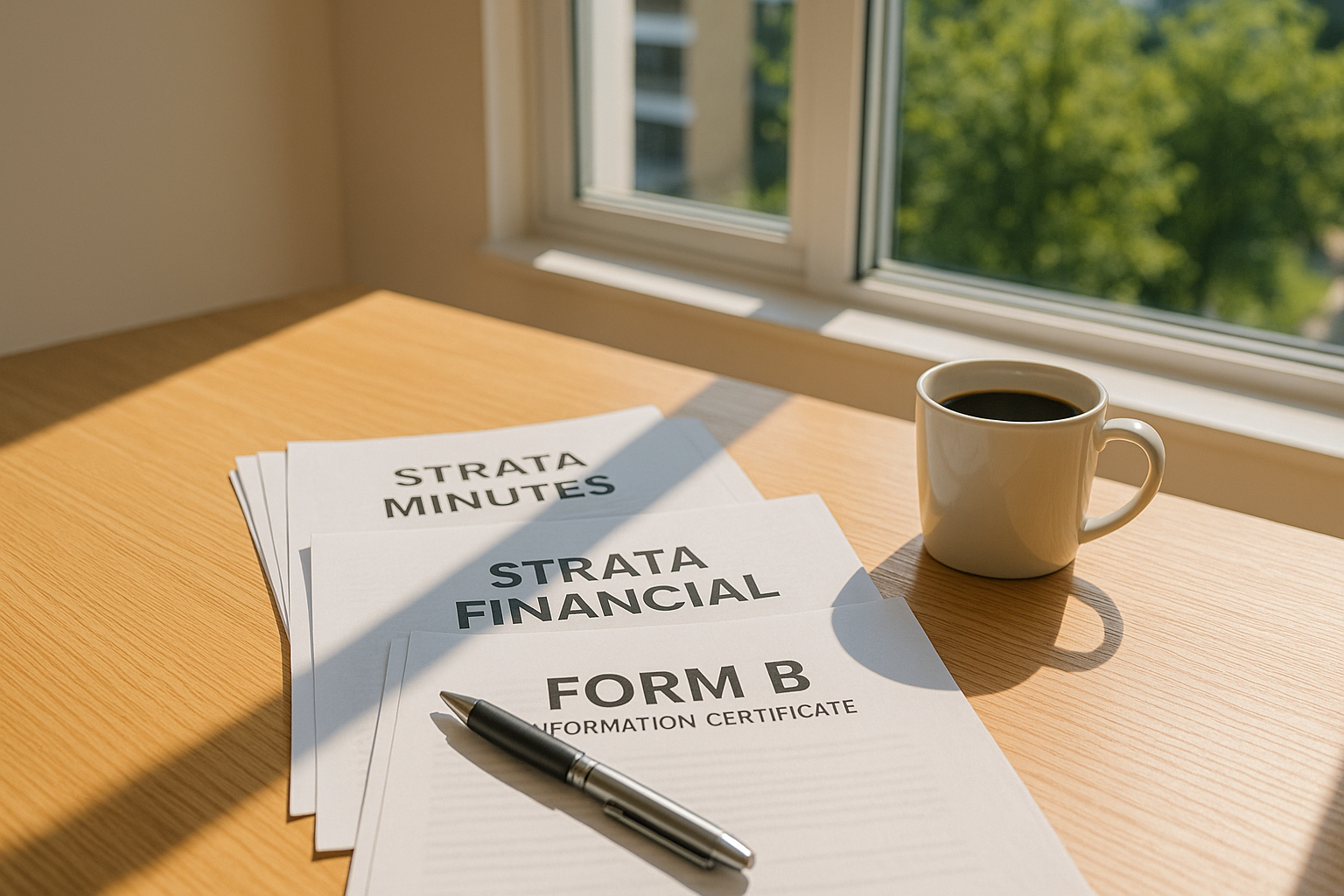
Strata Document Red Flags: What BC Buyers Need to Catch Before Making an Offer
Considering a BC condo or townhouse? Catching key red flags in strata documents before you write an offer can save you from costly surprises. Here’s what buyers and realtors need to spot—and how to make sense of it all.

Understanding Your Strata’s Contingency Reserve Fund: What Owners Should Watch For
If you own a strata unit in BC, the health of your Contingency Reserve Fund (CRF) affects your fees, upcoming repairs, and the risk of levies. Here’s how to read your CRF statements and what warning signs to watch for.