The SearchStrata blog
Your guide to navigating strata document analysis, condo due diligence, and the Canadian real estate market. Learn how to spot red flags, understand financials, and make confident buying decisions.
These articles are general information about BC strata and home-buying, current as of each post's publication date — not legal, financial, or tax advice. Verify current rules and consult a qualified professional before acting.
How to Read the Actual Documents in a BC Strata Package: The Deep Dive for Buyers
For buyers racing the subject-removal clock, the real answers about a BC strata come from reading what’s actually on paper: minutes, budgets, the CRF, special levies, depreciation reports, Form B and more. Here’s how to spot what matters—and what’s missing—in the documents themselves.
What Strata Documents Tell You When You're Racing a Subject Removal Deadline
Inside the subject-removal window, strata documents like minutes, Form B, financials, and the depreciation report offer urgent clues to a building’s real risks. Here’s how to extract what matters most—fast.
What BC Strata Documents Reveal in Black and White: Decisions, Deferrals, and Financial Signals
If you’re a BC home buyer in the subject-removal window, the strata documents you receive are your clearest window into the building’s financial reality, council decisions, and what’s being postponed. Here’s how to read the minutes, financials, Form B, and supporting reports for signals that matter.

What BC Strata Documents Reveal About Decisions, Delays, and Direction
Strata records reveal a building’s real story—what’s been voted on, what’s been postponed, and where things stand now. This post explains how to read minutes, budgets, CRF statements, depreciation reports, litigation notes, and Form B to see what a strata has decided and what it’s put off for later.

How to Vet BC Strata Documents for Red Flags—Before You Write an Offer
Serious BC buyers review strata documents for warning signs before writing an offer. Here’s how to spot risk—special levies, CRF health, insurance, bylaw issues—when reviewing minutes, Form B, and depreciation reports.

How to Read BC Strata Documents Before Making a Condo Offer: A Practical Buyer’s Guide
Reviewing BC strata documents before you write an offer is key to avoiding hidden risks. Here’s how to spot red flags, understand the documents, and use your subject-removal window effectively.

Where Your Strata Fees Go: A Real Breakdown for BC Condo Owners
Curious how your monthly strata fees are actually spent? Here’s a clear breakdown of where your money goes in a BC strata, why fees rise, and what to watch for in the annual budget.
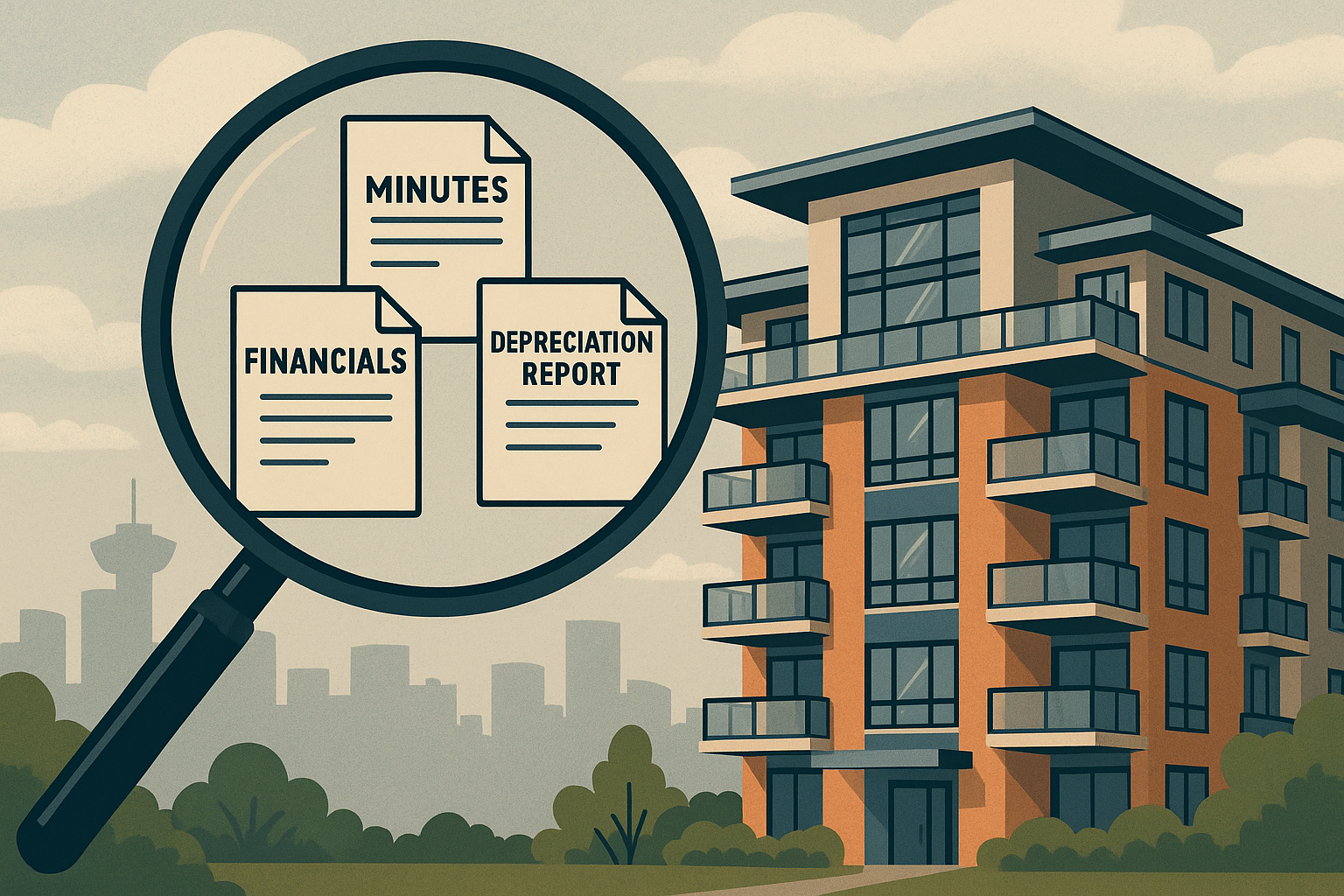
How to Spot Early Red Flags in BC Strata Documents—Before You Book a Showing
Savvy BC buyers can spot warning signs in strata documents before even setting foot in a unit. Here's how to catch red flags early in minutes, financials, depreciation reports, and bylaws—so you can focus on safe, solid properties.
What BC Buyers Should Look For in Strata Documents—Before Making an Offer
Serious about a Vancouver condo or townhome? Before you write an offer, a thorough review of the strata documents—minutes, financials, Form B, depreciation report, and bylaws—can reveal dealbreakers and protect you from costly surprises.

How BC Buyers Can Spot “Hidden” Strata Issues Before Making an Offer
Before writing an offer on a BC condo or townhome, buyers need to scan strata documents for hidden risks—past repairs, looming special levies, litigation, insurance gaps, and bylaw surprises. Here's how to catch the issues most buyers miss.

How to Vet BC Strata Documents Before Writing an Offer: A Serious Buyer's Playbook
Get practical about pre-offer due diligence. Learn how to assess BC strata documents—minutes, financials, Form B, depreciation reports, bylaws, and more—so you can make a purchase decision with eyes open.
What BC Buyers Miss in Pre-Offer Strata Document Review—And How to Catch It
An overlooked detail in strata documents can become a costly surprise for BC buyers. Here’s how to spot the red flags and grey areas—even before you write an offer.