The SearchStrata blog
Your guide to navigating strata document analysis, condo due diligence, and the Canadian real estate market. Learn how to spot red flags, understand financials, and make confident buying decisions.
These articles are general information about BC strata and home-buying, current as of each post's publication date — not legal, financial, or tax advice. Verify current rules and consult a qualified professional before acting.

How to Respond Defensibly to Owner Petitions and Requisitioned Meetings as a BC Strata Council
When an owner petition triggers an SGM request, council and property managers must follow clear, defensible steps. Learn what BC strata councils need to know about handling requisitioned meetings, from notice to documentation.

Preserving Your Strata’s Institutional Memory: How to Build and Maintain a Living Council Binder
A well-maintained council binder is your strata council’s best insurance against lost knowledge, missed deadlines, and decision-making confusion. Here’s how to create and sustain an organized, living record that outlasts any one council term.
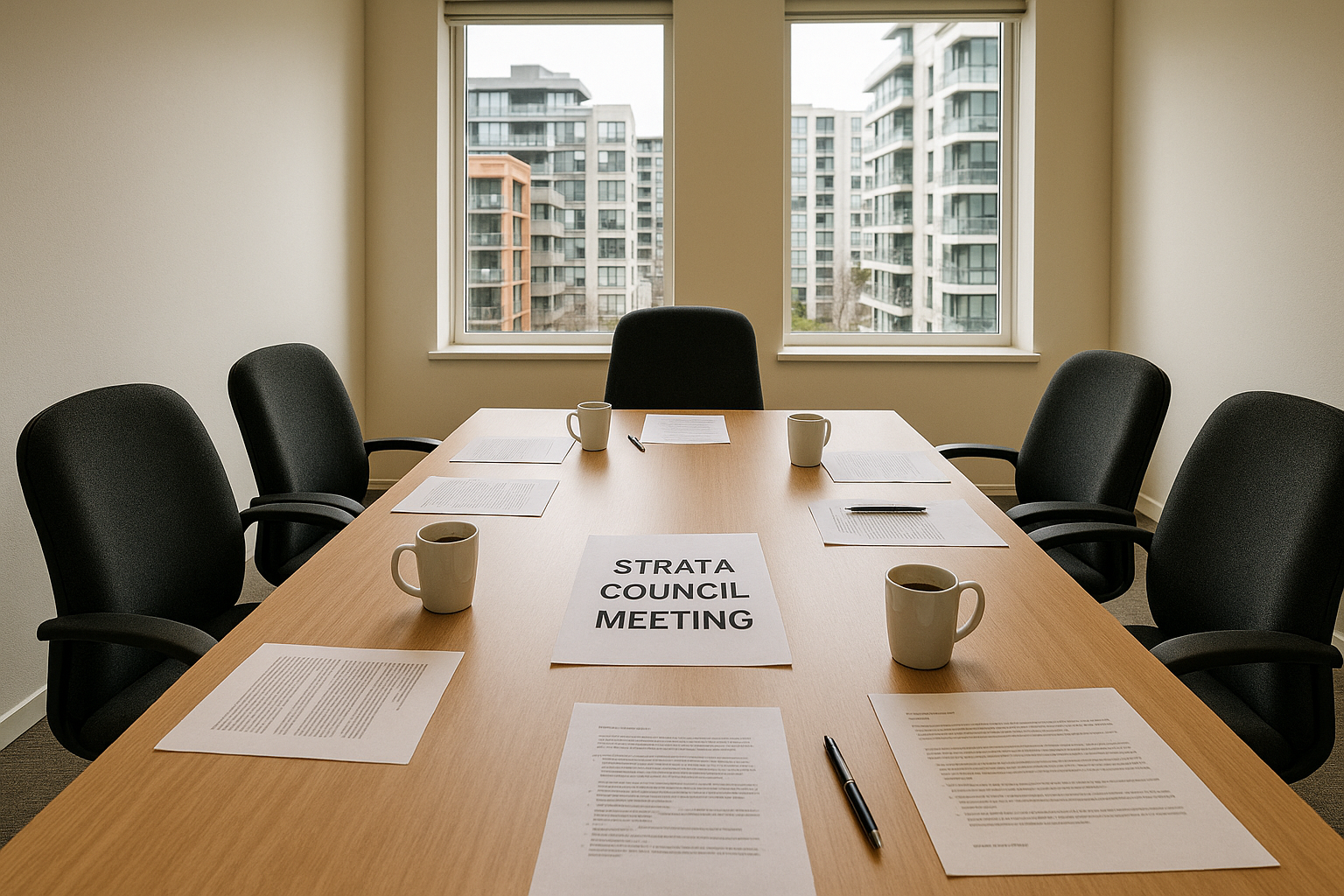
How to Run Defensible Strata Council Meetings: Process, Preparation, and Pitfalls to Avoid
BC strata council meetings are the foundation of sound governance. Here’s how to run meetings that meet legal standards, preserve institutional memory, and keep your council out of trouble.

Strata Council Standard of Care: What BC Council Members Need to Know
BC strata council members have a legal duty to act honestly and in the best interests of the strata. Understand what the standard of care means, how to avoid common missteps, and where to find help for safer, more confident governance.

How BC Strata Councils Can Respond Defensibly to Owner Records Requests
Owner records requests are a recurring challenge for BC strata councils and property managers. Learn how to respond clearly and defensibly, maintain compliance with the Strata Property Act, and balance privacy with transparency.

Strata Council Contract Approvals: Making Defensible Vendor Decisions
BC strata councils and property managers face pressure to approve contracts quickly—but rushing the process can expose your corporation. Here’s how to make and document defensible contract approval decisions that stand up to owner scrutiny and regulatory review.
Strata Council Confidentiality: Avoiding Unintentional Disclosure During Council Communications
BC strata council members are often challenged by the need to communicate effectively with owners while upholding their strict confidentiality duties. Here’s how to avoid accidental disclosure in council emails, minutes, and informal chats.

Depreciation Reports and Reserve Planning: What BC Strata Councils Must Get Right
Depreciation reports and long-term reserve planning are essential for responsible BC strata governance. Learn defensible practices for council members and property managers to meet legal requirements and protect your community’s future.

Quorum and Voting Pitfalls: Making Your Strata’s AGM Defensible
Quorum and voting mistakes are the fastest way to undermine council decisions at your AGM. Here’s how council members and managers can navigate notice, proxies, and voting thresholds to keep your BC strata’s meeting process defensible.

How BC Strata Councils Can Handle Confidential Owner Complaints Without Losing Trust
Confidential owner complaints are a fact of council life. Learn practical, defensible steps for BC strata councils to manage sensitive issues, protect privacy, and maintain trust with your community.

Onboarding New Strata Council Members: A Practical Blueprint for BC Strata Corporations
Effective onboarding of new strata council members is critical for continuity and governance. Here’s a practical guide for BC strata corporations and property managers to structure a reliable onboarding process that preserves institutional memory and equips new volunteers for success.
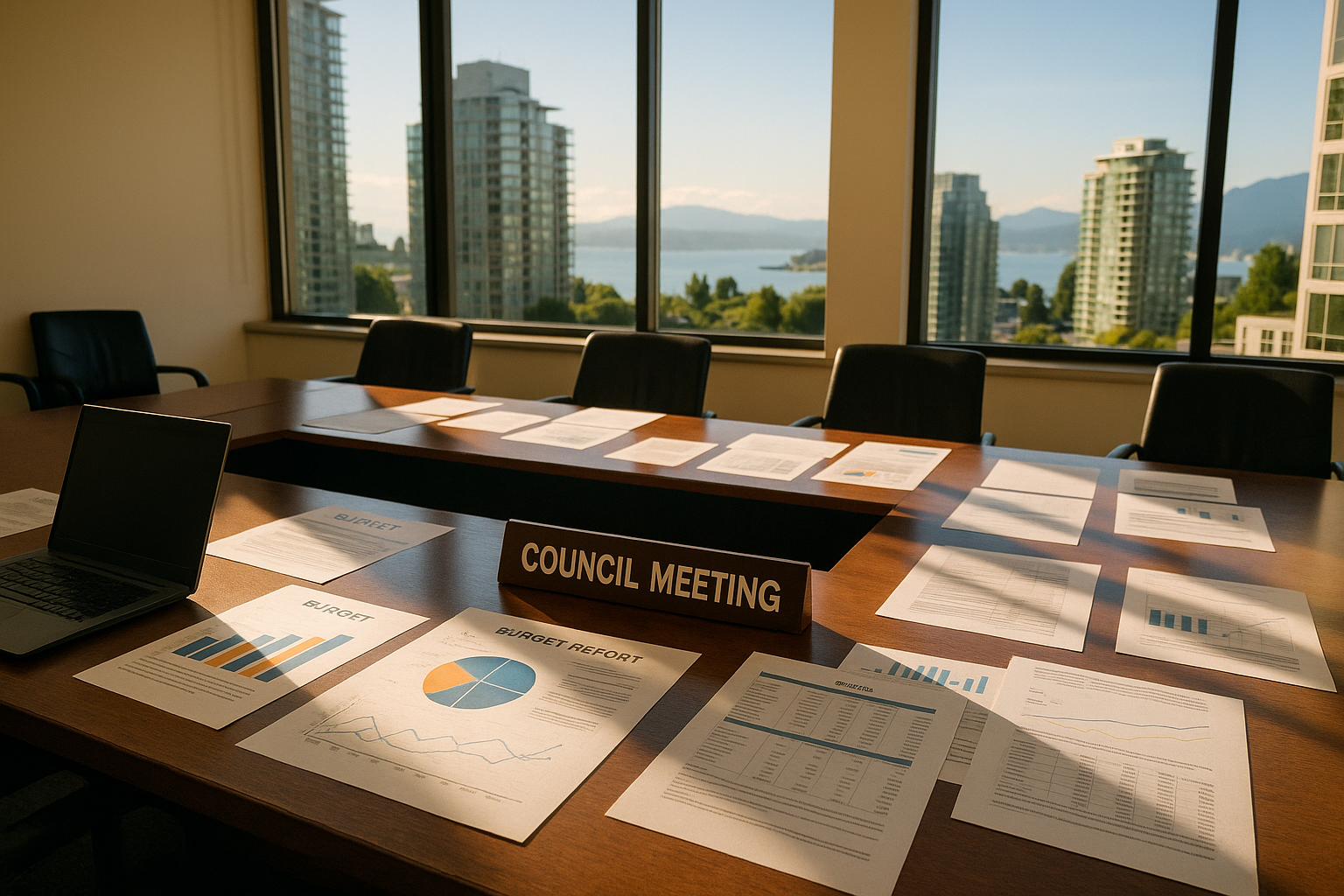
Building a Defensible Strata Budget: Practical Steps for BC Council Members
A defensible strata budget is fundamental for council members and property managers in BC. Learn how to approach annual budget planning, balance owner expectations, and document your process to withstand scrutiny.